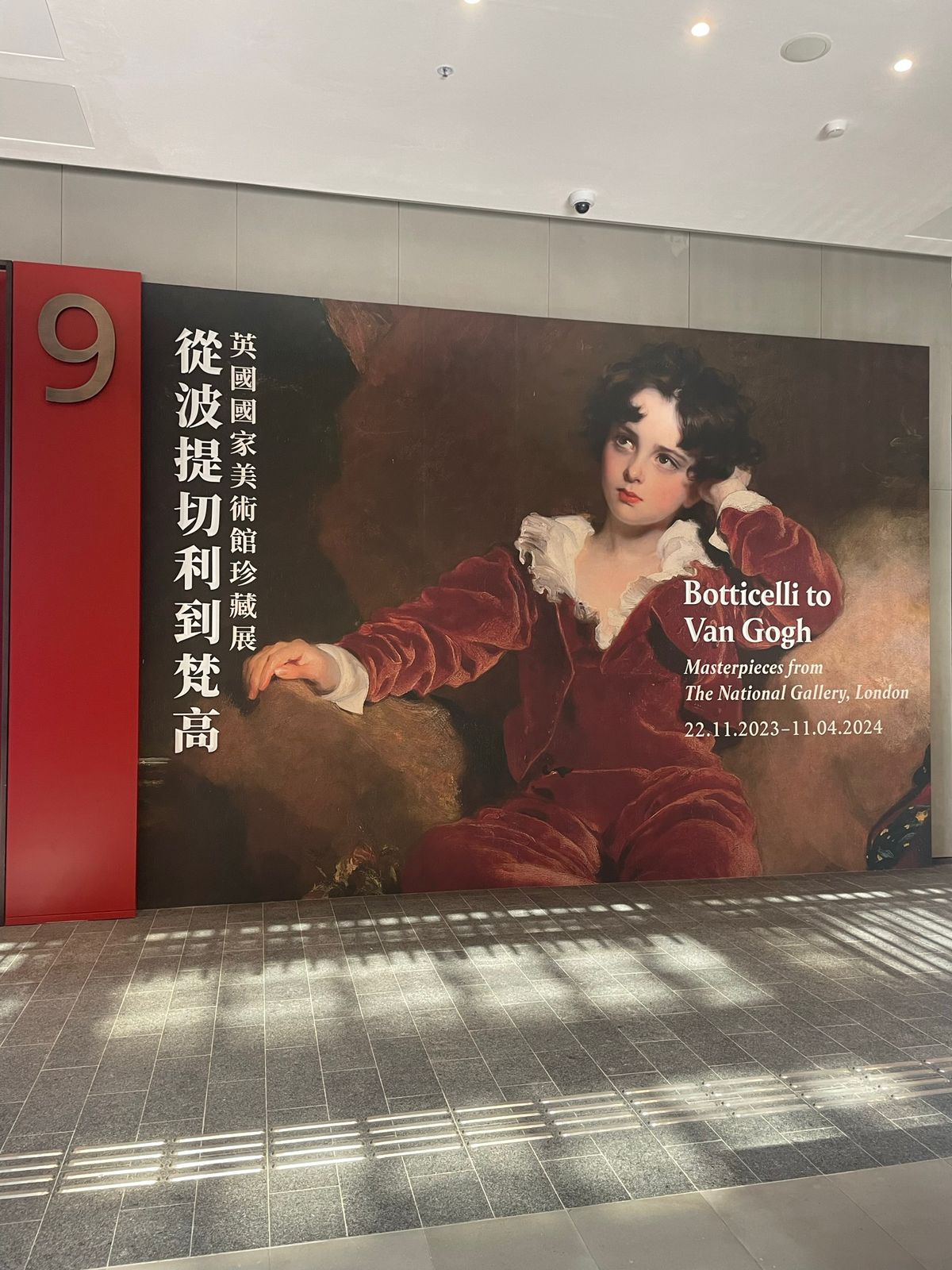
When the Hong Kong Palace Museum (HKPM) unveiled its collaboration with the National Gallery, London, it marked more than a blockbuster exhibition — it signalled a powerful moment of cultural exchange between East and West. Bringing centuries of Western painting into a museum best known for its roots in Chinese imperial heritage, the exhibition offered a rare opportunity to view global art history through a shared, contemporary lens.
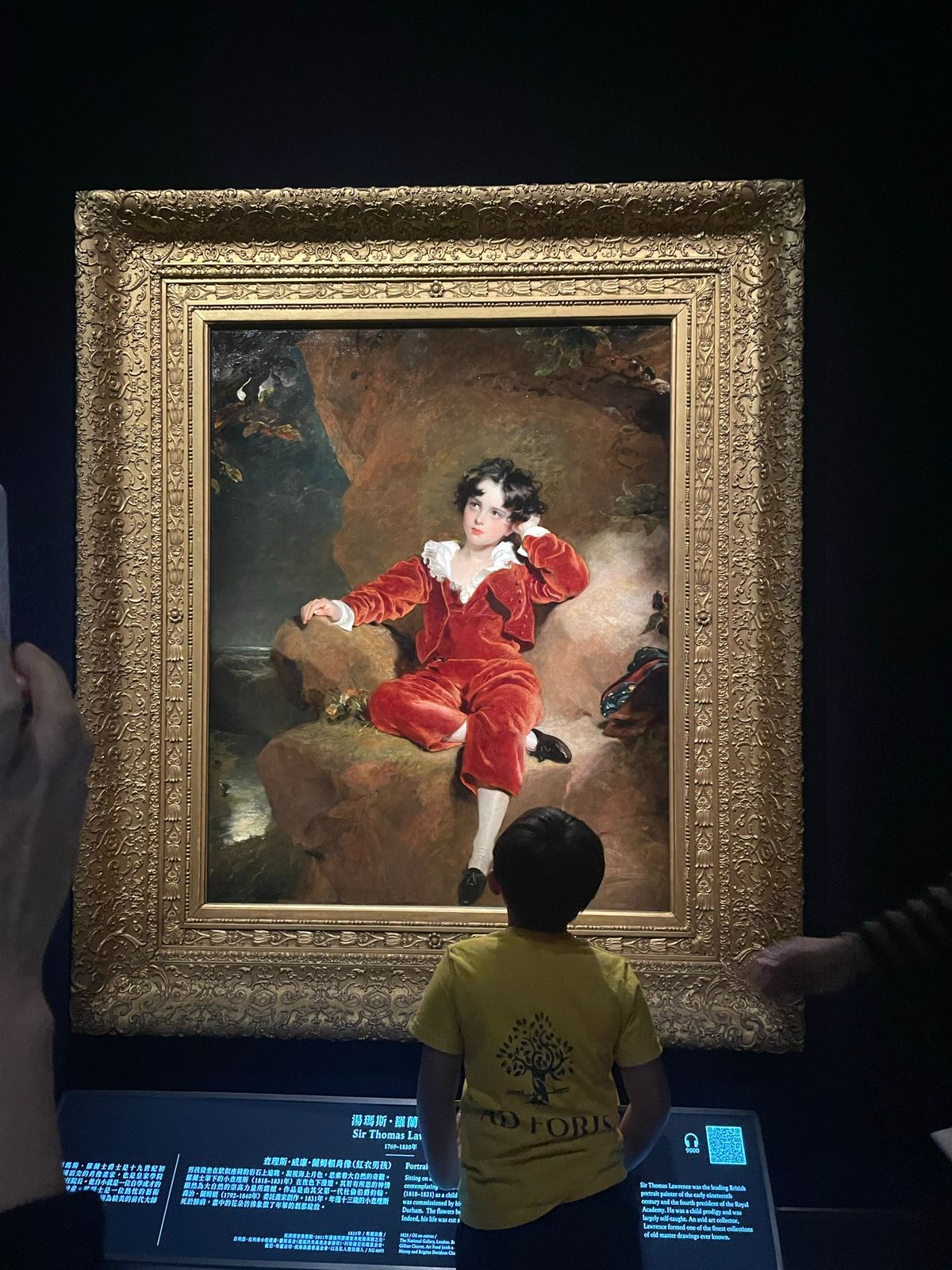
Titled Botticelli to Van Gogh: Masterpieces from the National Gallery, London, the exhibition traced over 400 years of artistic evolution, from the Italian Renaissance to the dawn of modern painting. Featuring more than fifty works by some of the most influential artists in Western art — including Botticelli, Raphael, Titian, Caravaggio, Rembrandt, Turner, Monet, and van Gogh — the show unfolded as a visual journey through changing ideas of beauty, faith, nature, and human emotion.
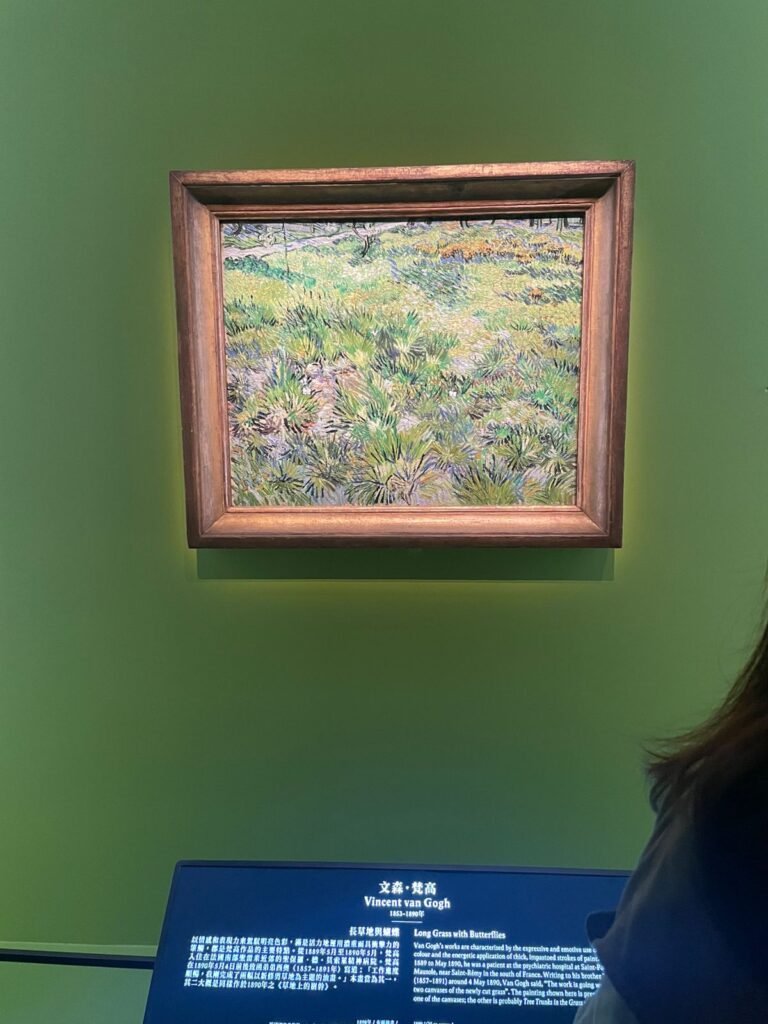
Rather than overwhelming visitors with chronology alone, the exhibition was thoughtfully organised to highlight shifts in technique, subject matter, and artistic intention. Sacred narratives gave way to intimate portraits; dramatic chiaroscuro softened into atmospheric landscapes; rigid traditions gradually dissolved into expressive brushwork and colour. Seen together, the paintings revealed how artists across generations responded to the world around them — socially, spiritually, and politically.
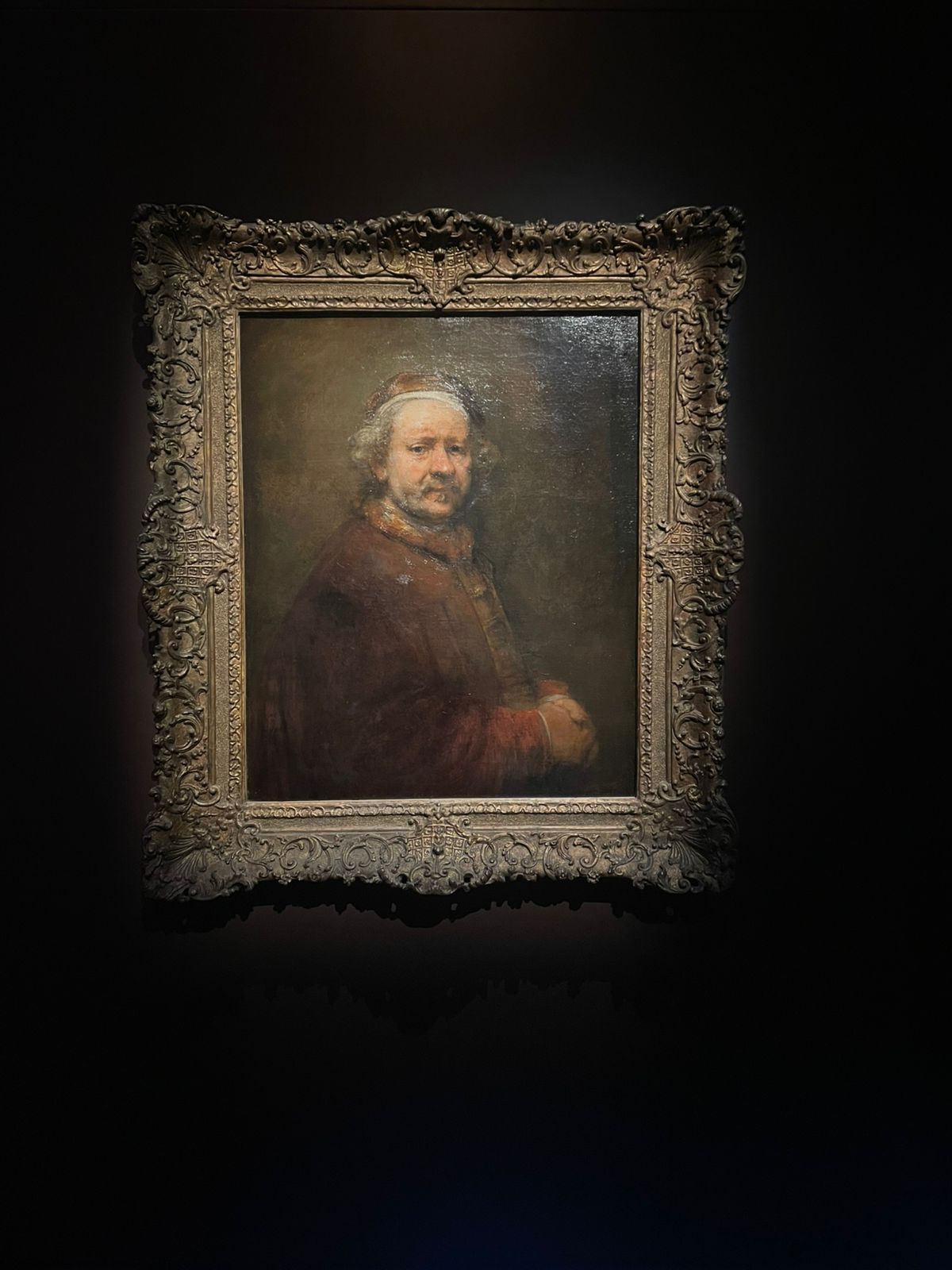
What made the exhibition especially compelling within the HKPM context was its setting. Surrounded by galleries dedicated to Chinese art and imperial culture, these Western masterpieces felt newly framed, encouraging viewers to draw parallels and contrasts between artistic traditions. The result was not a comparison, but a conversation — one that reinforced art’s universal ability to transcend geography and time.
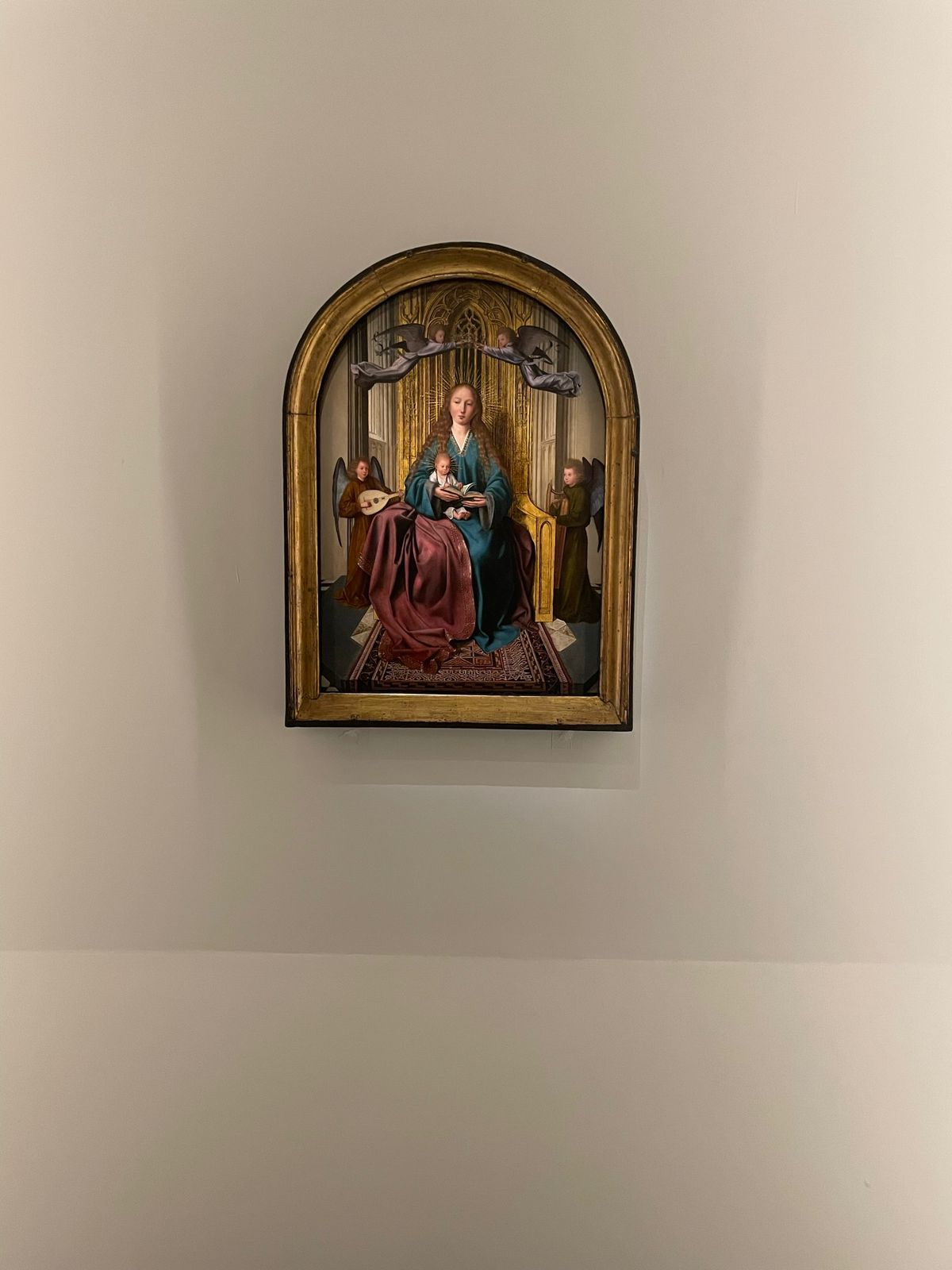
Multimedia elements, educational programmes, and public talks further enriched the experience, making the exhibition accessible to both seasoned art enthusiasts and first-time museum visitors. The collaboration reflected HKPM’s growing ambition to position Hong Kong as a global cultural crossroads, where international collections can be experienced locally without losing depth or context.
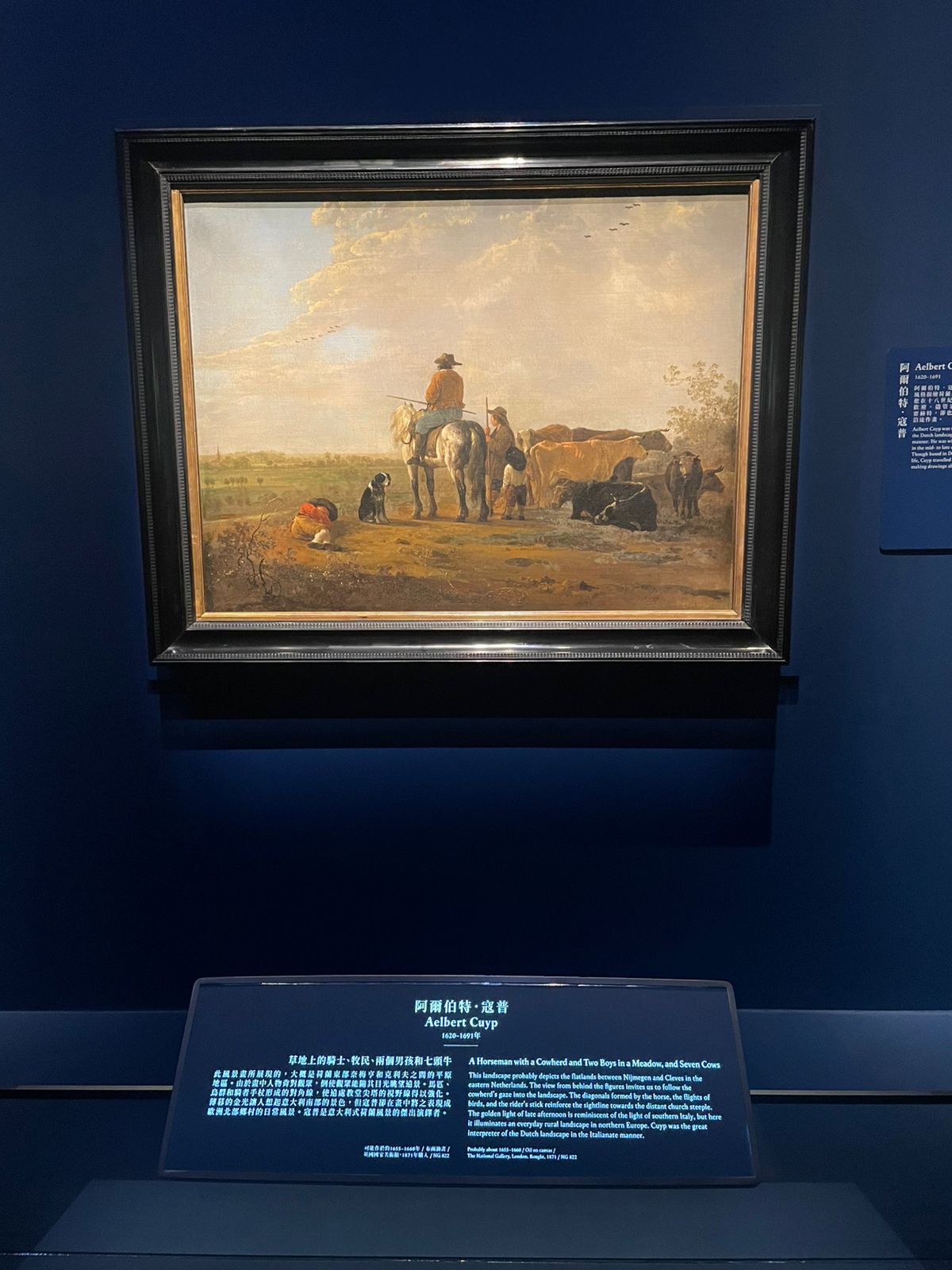
In bringing the National Gallery’s treasures to Hong Kong, the exhibition did more than showcase iconic works — it invited audiences to reconsider how art histories intersect, overlap, and continue to shape the way we see today. For many visitors, it was not just a rare encounter with masterpieces, but a reminder that cultural dialogue is most powerful when it is shared.
