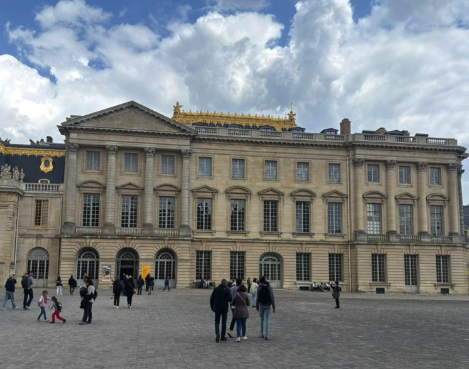
The Palace of Versailles stands as one of the most enduring symbols of absolute power, artistic ambition, and cultural influence in European history. Located just outside Paris, Versailles was transformed in the 17th century from a modest hunting lodge into an architectural and political masterpiece under King Louis XIV. More than a royal residence, it became a carefully constructed stage where authority, taste, and spectacle were inseparable.
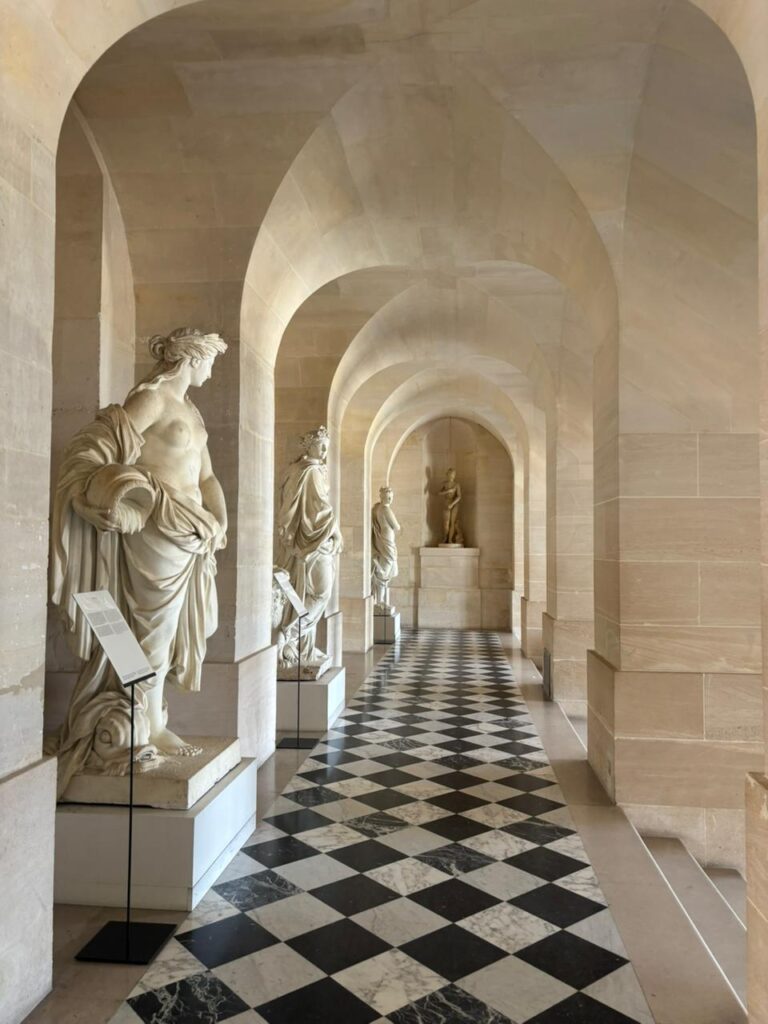
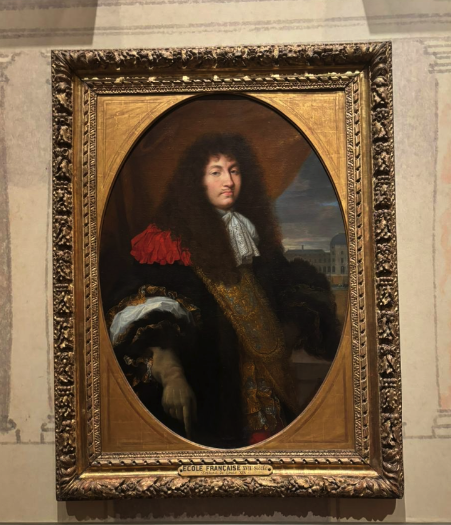
Louis XIV used Versailles to centralize power and control the French nobility. By requiring aristocrats to reside at court, he turned daily rituals—dress, dining, and ceremony—into tools of governance. Every detail of palace life followed strict etiquette, reinforcing hierarchy and loyalty to the crown. In this way, Versailles functioned not only as a home but as a living performance of monarchy.
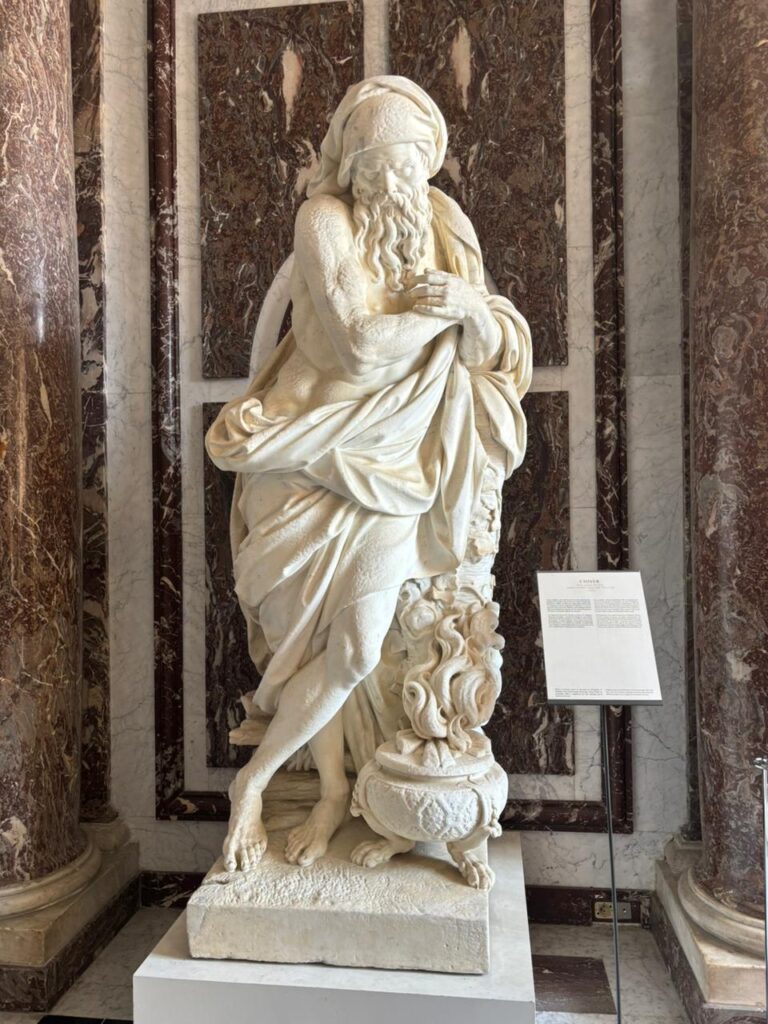
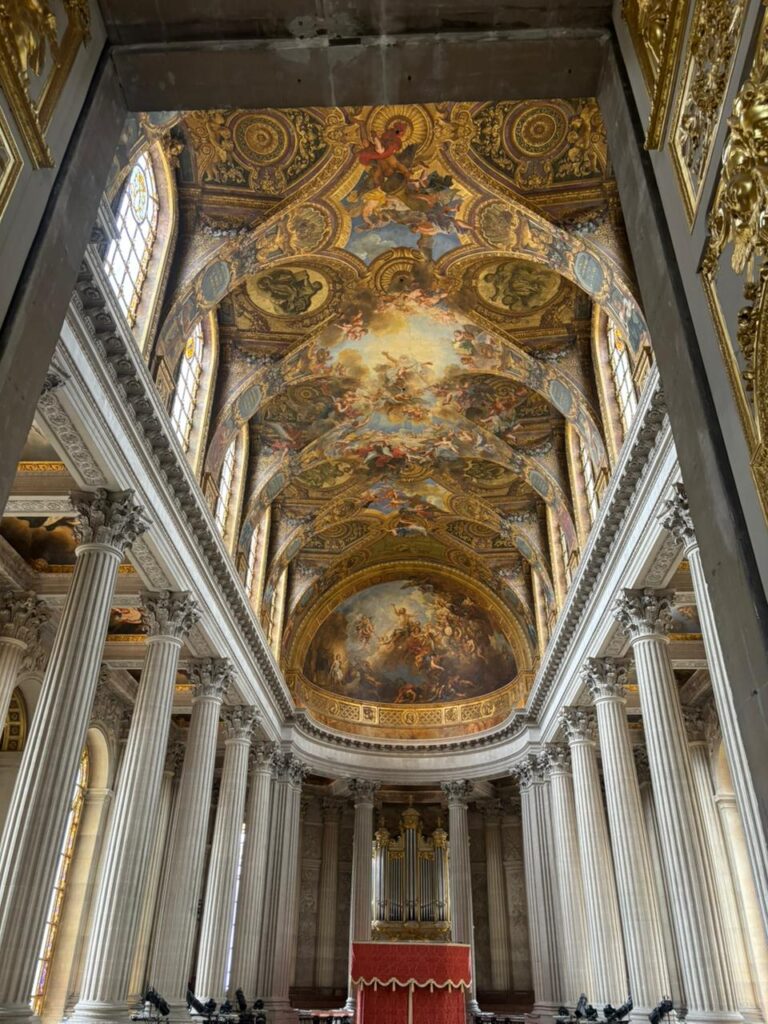
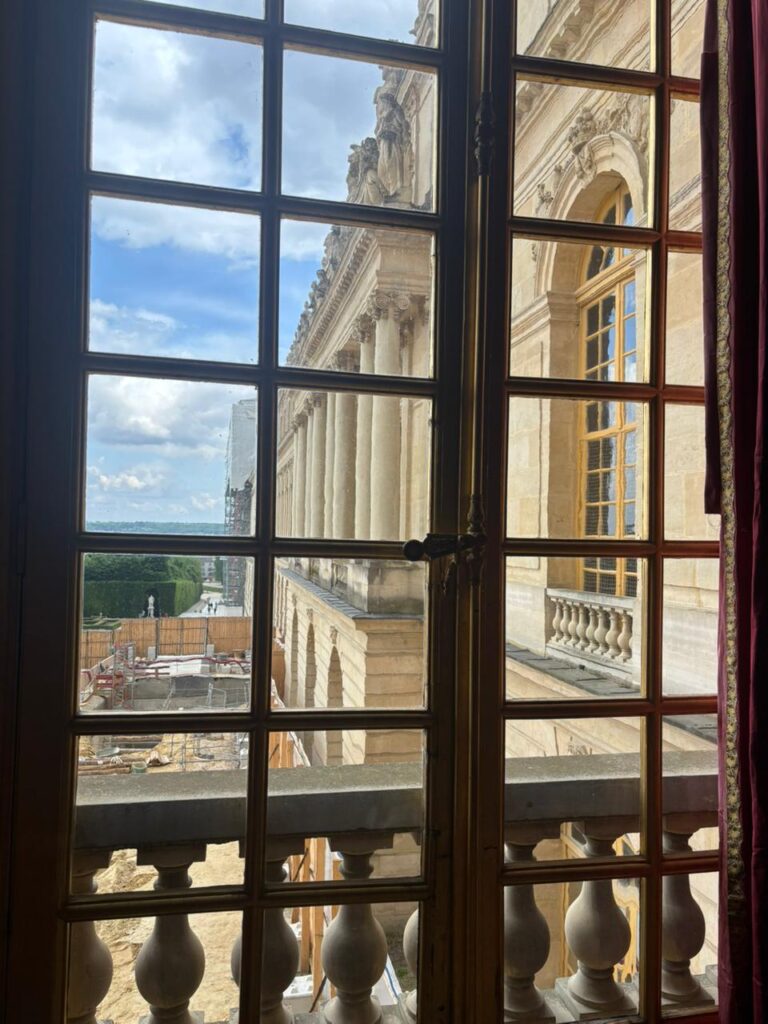
Architecturally, Versailles embodies classical harmony and excess in equal measure. Designed by architects Louis Le Vau and Jules Hardouin-Mansart, with interiors directed by Charles Le Brun, the palace combines symmetry, gilded ornamentation, and symbolic imagery. The Hall of Mirrors remains its most iconic space: seventeen mirrored arches facing garden windows, reflecting light, luxury, and power. It was here that diplomacy unfolded, alliances were displayed, and history was made.
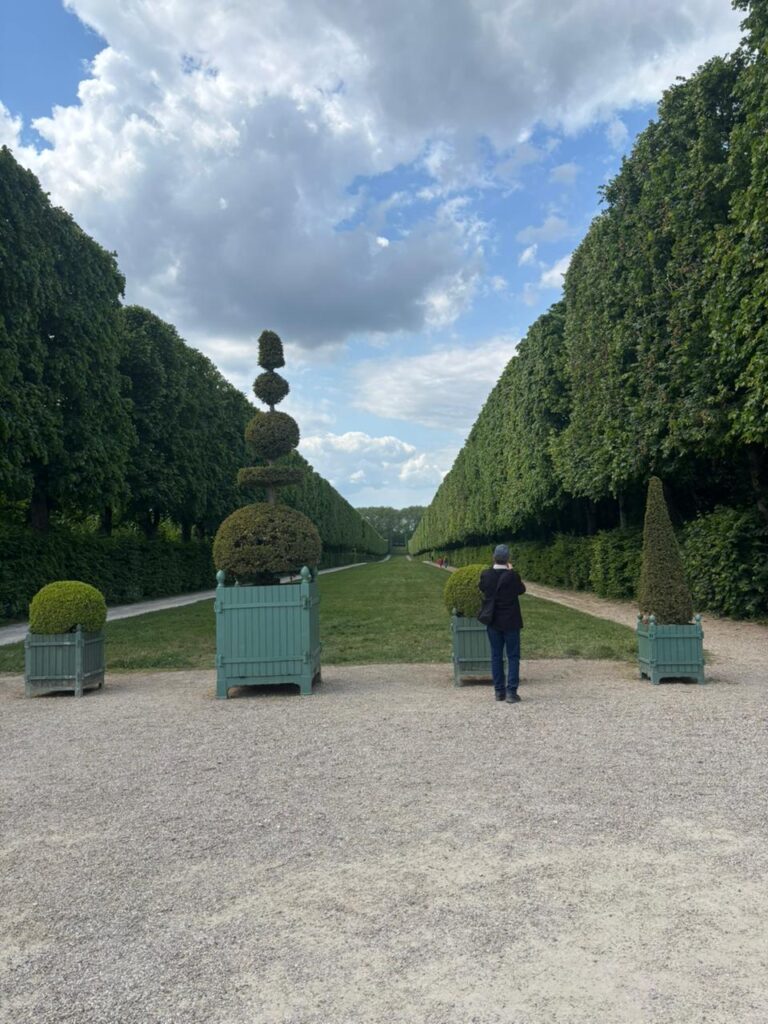
The gardens of Versailles are equally significant. Designed by André Le Nôtre, they represent humanity’s domination over nature through geometry and order. Fountains, sculptures, and carefully aligned perspectives extend the palace’s authority beyond its walls. These outdoor spaces were not merely decorative; they hosted elaborate fêtes, performances, and theatrical displays that reinforced the king’s image as a ruler of refinement and control.
Versailles also played a key role in shaping European art, fashion, and cultural life. Court style dictated trends far beyond France, influencing architecture, interior design, and dress across the continent. Yet beneath its splendor lay tension. The enormous cost of maintaining Versailles and its court culture contributed to social inequality and public resentment—factors that eventually fueled the French Revolution. In 1789, the palace ceased to function as a royal seat, marking the end of an era.
Today, Versailles stands as a monument to both brilliance and excess. It invites reflection on how art and architecture can serve power, and how beauty can mask imbalance. As a UNESCO World Heritage site, Versailles continues to captivate visitors—not only for its opulence, but for the complex history it embodies, where art, politics, and performance converged on a grand scale.