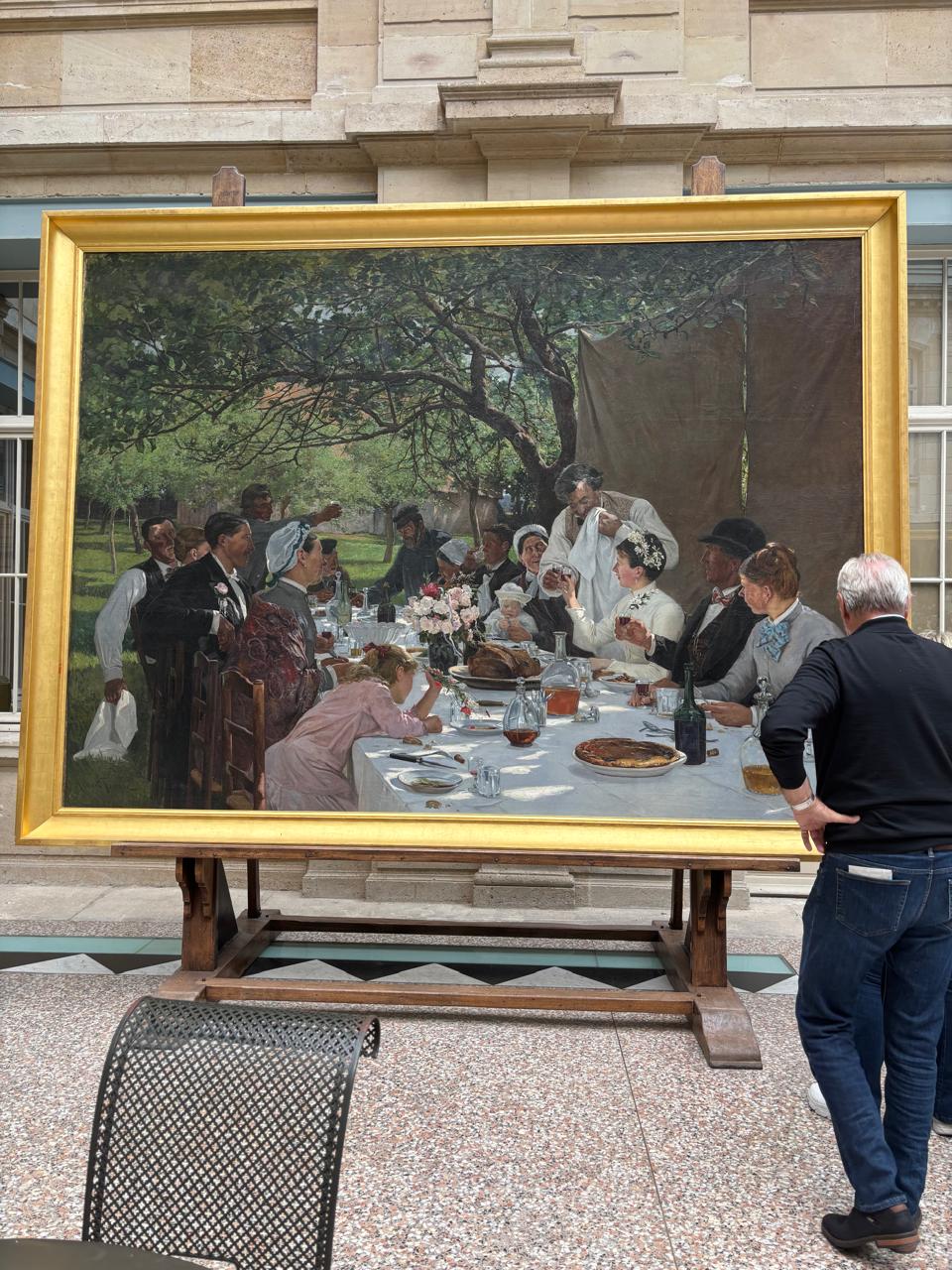
The Musée des Beaux-Arts de Rouen stands as one of France’s most distinguished regional art museums; an institution where history, light, and modernity quietly converse.
Founded in the early 19th century and housed in an elegant 19th-century building near the Seine, the museum holds an exceptional collection spanning from the 15th century to the present. Its galleries trace the evolution of European painting with particular strength in Impressionism, a movement deeply connected to Normandy’s landscapes and atmosphere.
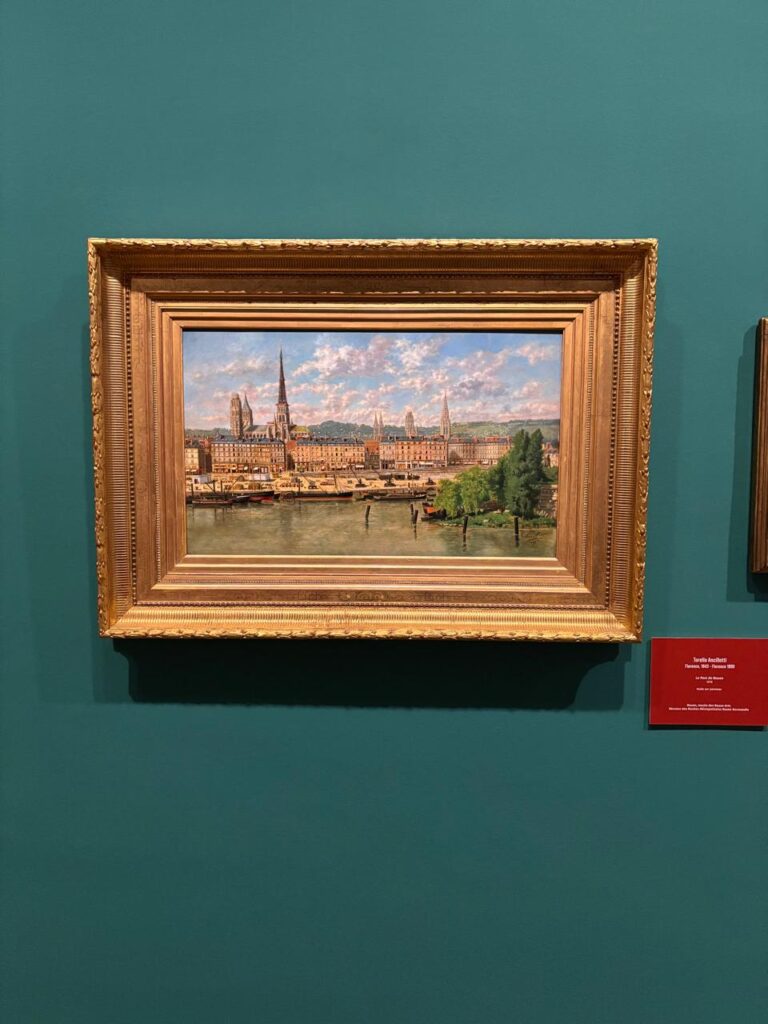
Rouen itself was a key source of inspiration for Claude Monet, whose repeated studies of Rouen Cathedral transformed shifting light into painterly rhythm. The museum proudly houses several of Monet’s works, alongside masterpieces by Camille Pissarro, Alfred Sisley, Paul Gauguin, Eugène Delacroix, Théodore Géricault, Diego Velázquez, and Caravaggio—placing the institution in dialogue with both French and international art history.
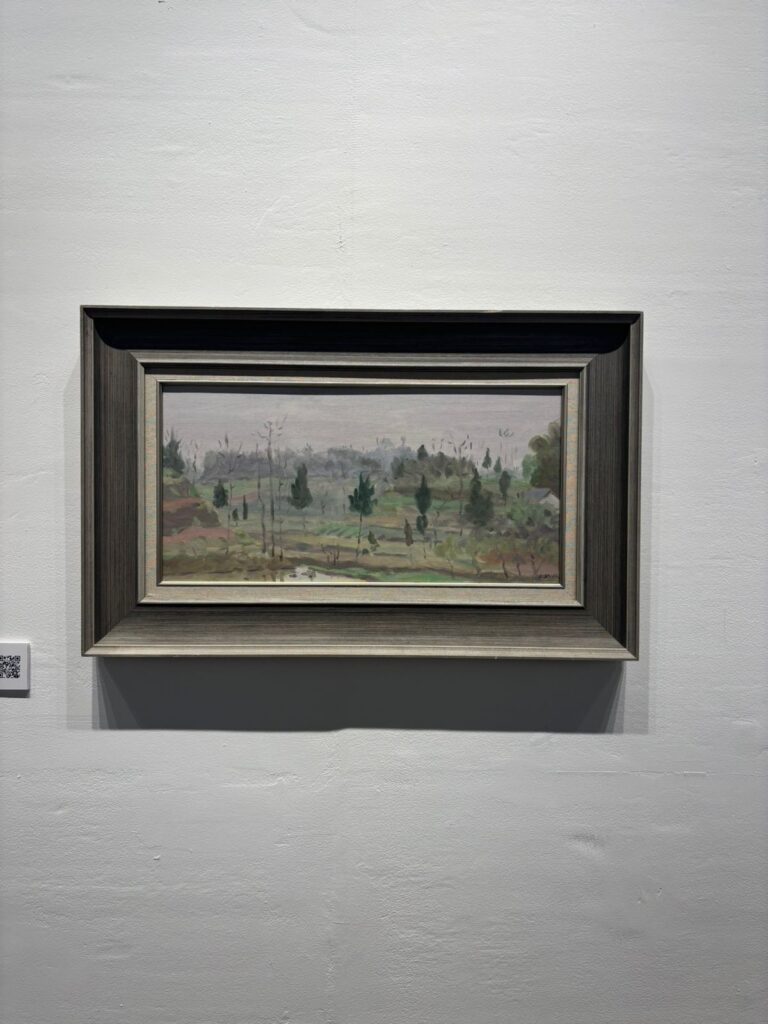
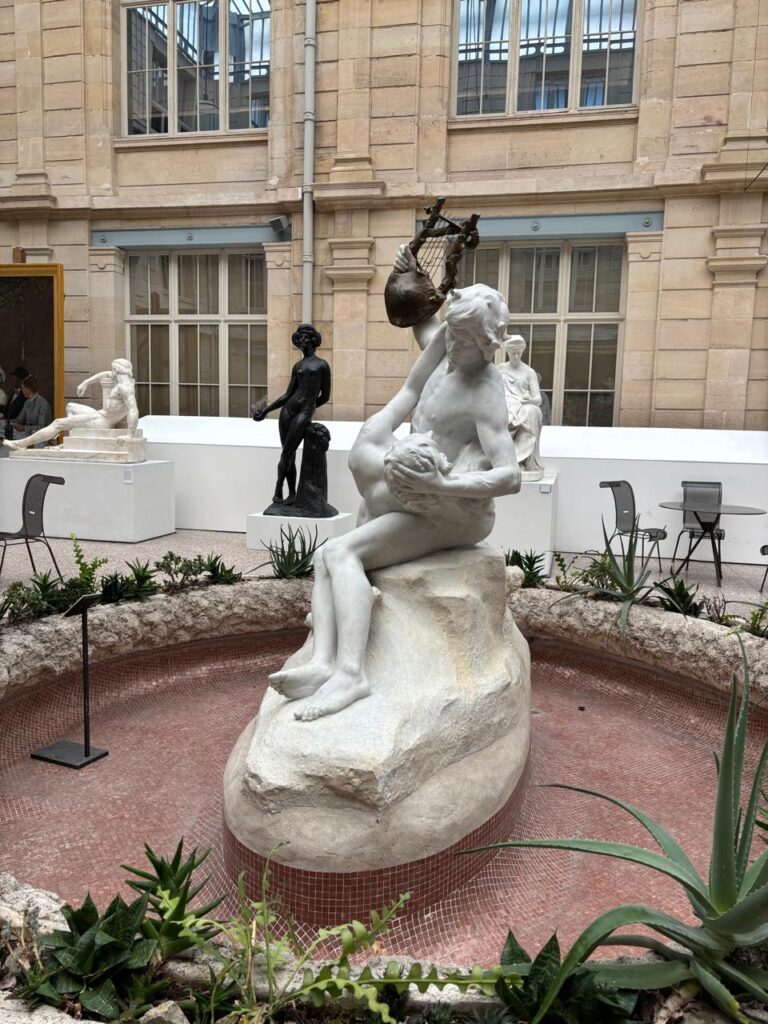
Beyond painting, the Musée des Beaux-Arts de Rouen also presents notable collections of sculpture, drawings, decorative arts, and ceramics, reflecting the city’s long-standing artistic and industrial heritage. Temporary exhibitions are curated with intellectual rigor, often offering fresh perspectives on canonical artists or overlooked narratives within art history.
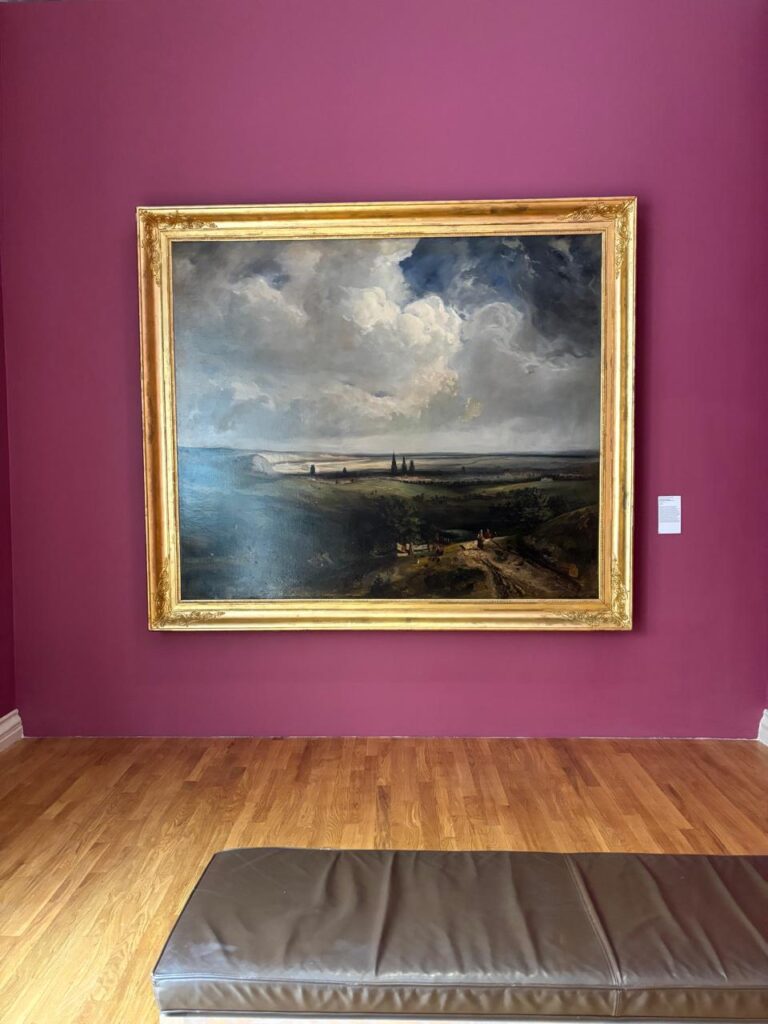
What distinguishes the museum is its balance between gravitas and accessibility. Natural light floods the galleries, encouraging slow looking rather than spectacle. The curatorial approach favors clarity and context, allowing works to speak across centuries without theatrical excess.
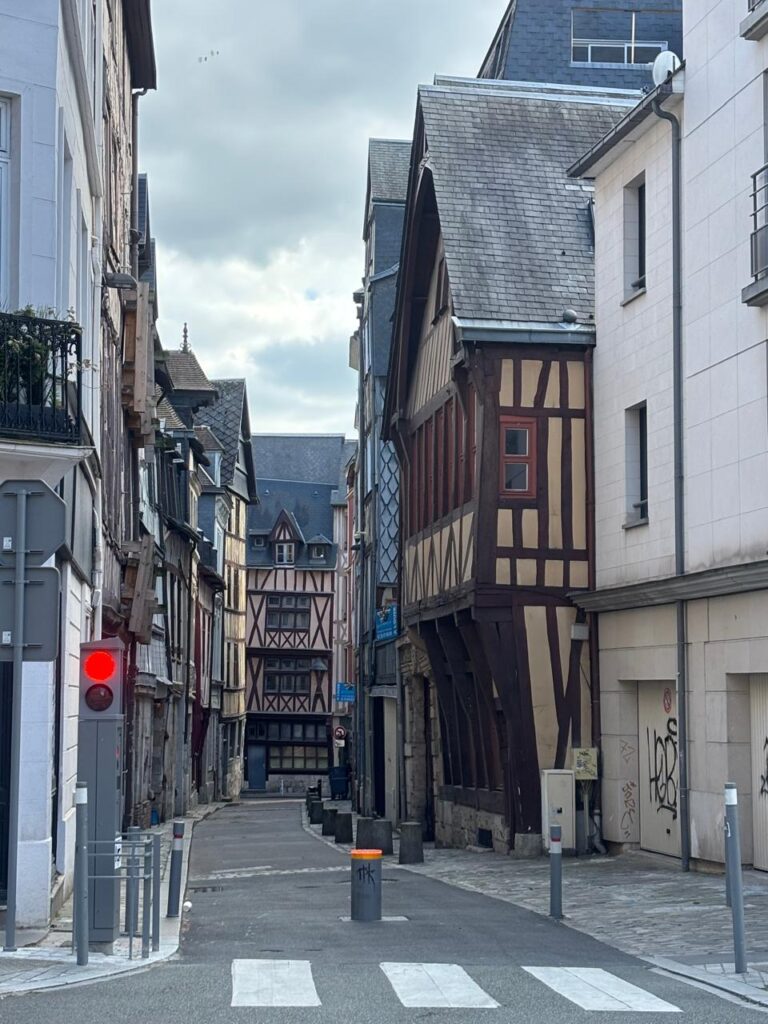
Today, the Musée des Beaux-Arts de Rouen continues to position itself as a cultural anchor in Normandy bridging regional identity with global art discourse. It is a place where masterpieces are not merely displayed, but thoughtfully inhabited, inviting visitors to experience art as an evolving conversation rather than a fixed past.

Jeane
I love the article!