Sophie Calle and the Art of Returning
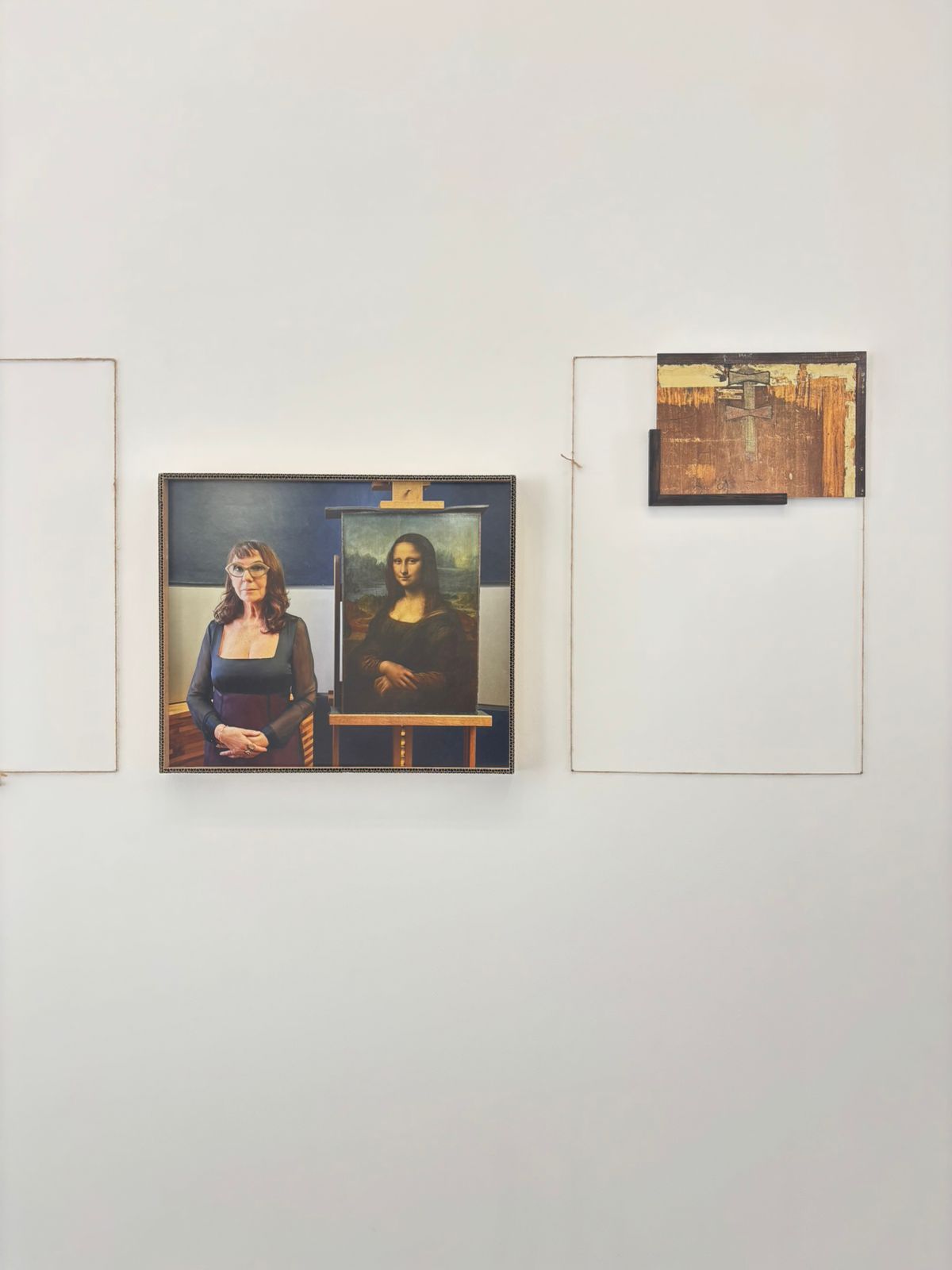
At Perrotin Paris, Sophie Calle’s exhibition unfolded as an act of return to ideas once set aside, to narratives left unresolved, to moments that linger quietly at the edges of memory. Titled Séance de Rattrapage, the exhibition positioned itself not as a retrospective, but as a recalibration: a reconsideration of what it means to revisit, to resume, and to remain unfinished.
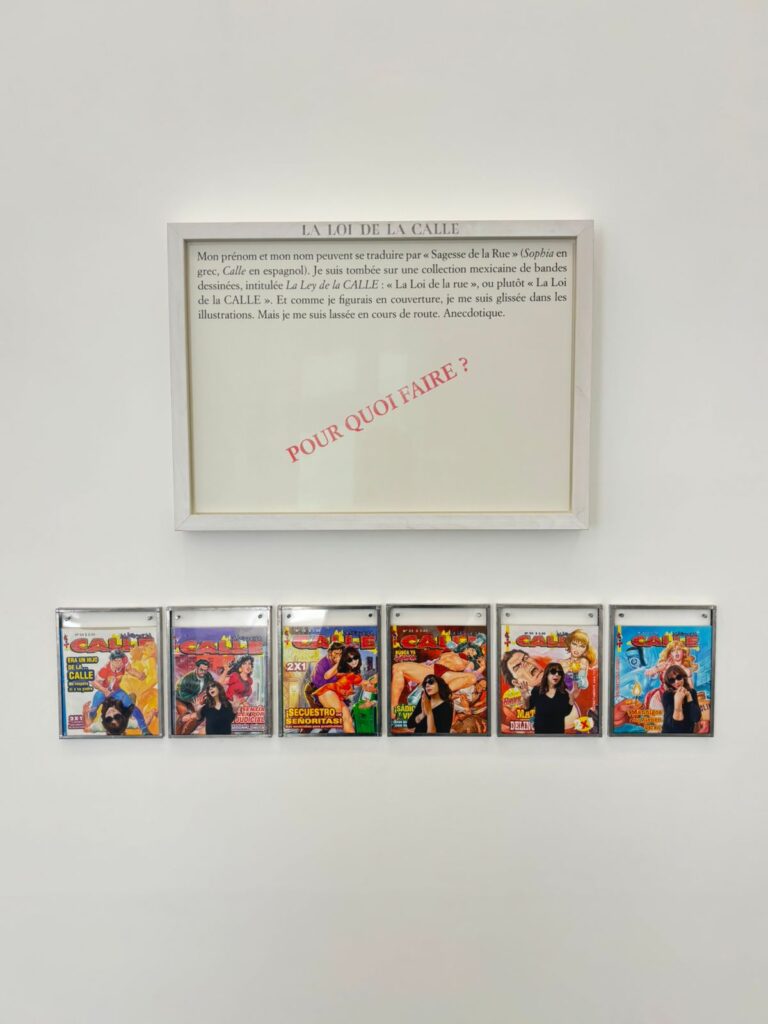
Calle’s practice has long occupied a space between life and art, where personal experience becomes both subject and structure. In this exhibition, that boundary felt especially porous. Works emerged as fragments of lived time photographs paired with text, gestures accompanied by confession forming a constellation of stories that resisted closure. Rather than offering resolution, Calle allowed ambiguity to remain intact.
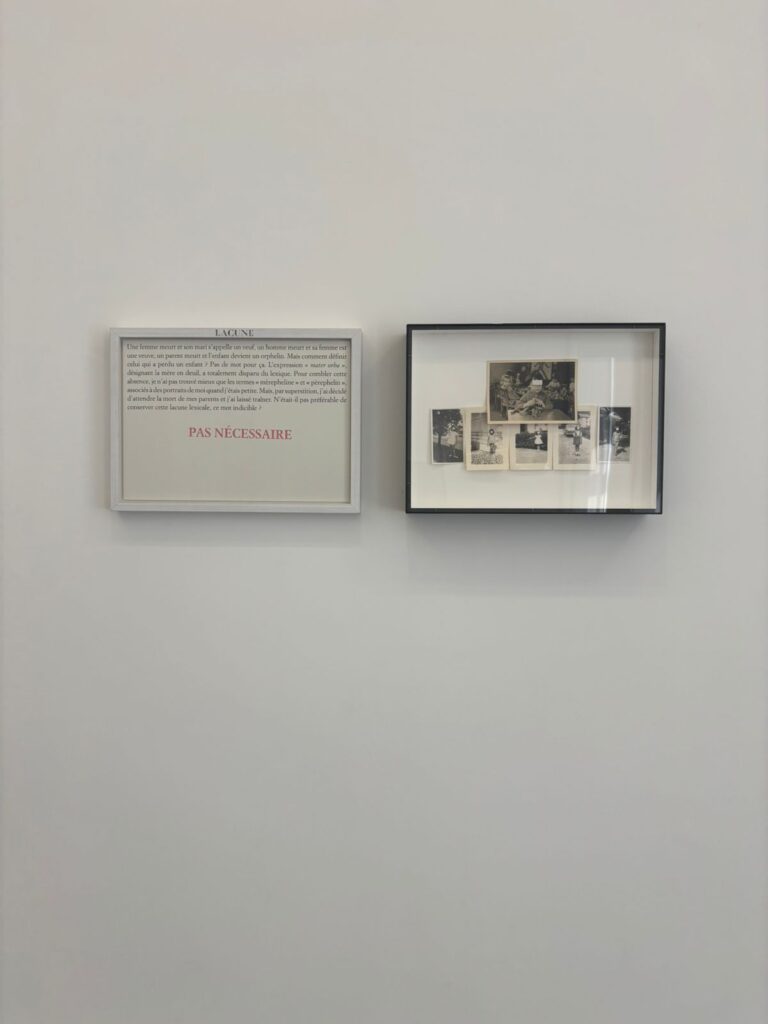
The exhibition’s strength lay in its restraint. Installed within Perrotin’s Paris gallery, the works did not seek spectacle. They asked instead for attention for reading, pausing, and listening. Text functioned not as explanation, but as counterpoint, unsettling the certainty of the image and reminding viewers that meaning is always negotiated, never fixed.
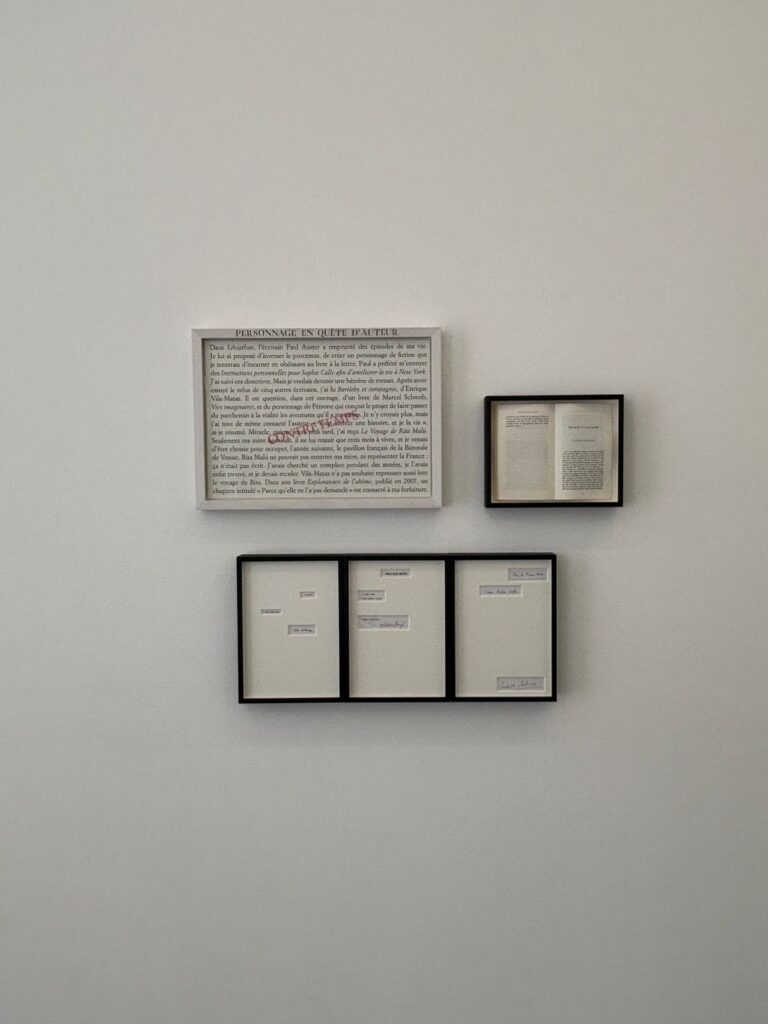
What Séance de Rattrapage articulated with quiet precision was an alternative rhythm of artistic production. In an era that privileges immediacy and output, Calle foregrounded delay, incompletion, and reconsideration as legitimate—and even necessary—modes of creation. The unfinished was not framed as failure, but as evidence of care, hesitation, and emotional fidelity to an idea.
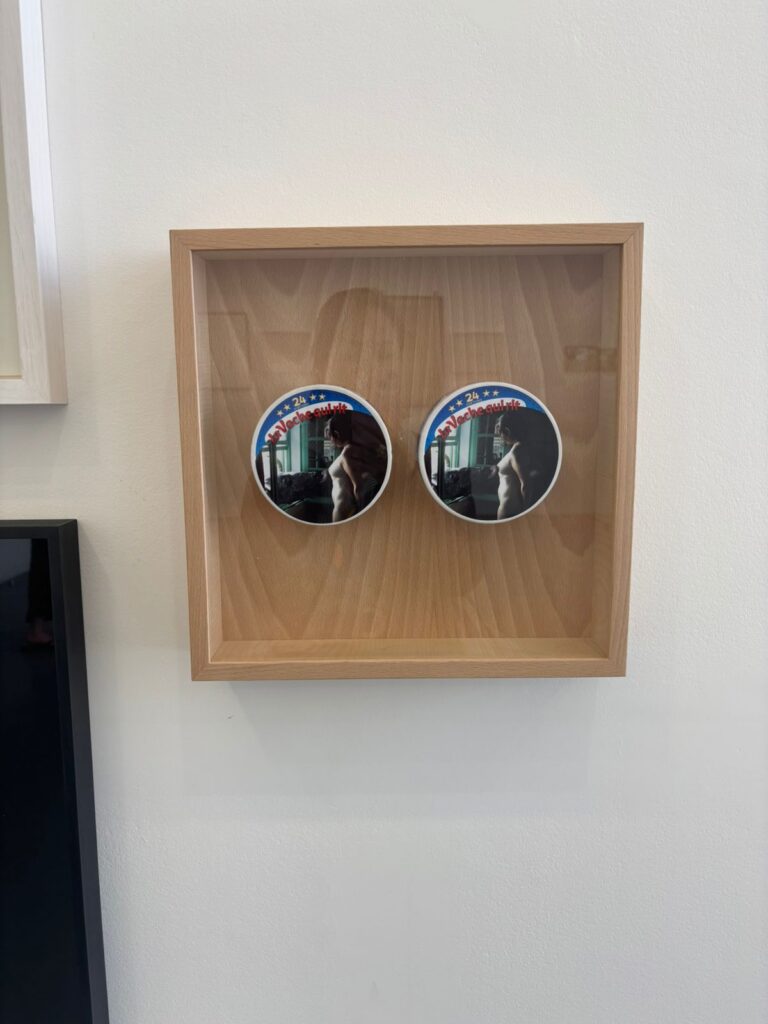
There was also a subtle generosity at play. By revealing works once withheld or abandoned, Calle invited viewers into the private margins of her practice. The exhibition did not assert mastery; it exposed vulnerability. In doing so, it dismantled the mythology of the artist as a figure of certainty and replaced it with something more human: an artist attentive to doubt, memory, and the passage of time.
At Perrotin, Séance de Rattrapage became less about looking back than about acknowledging continuity. Ideas do not disappear simply because they are paused. They wait. Calle’s exhibition honoured that waiting not as inertia, but as a form of presence.
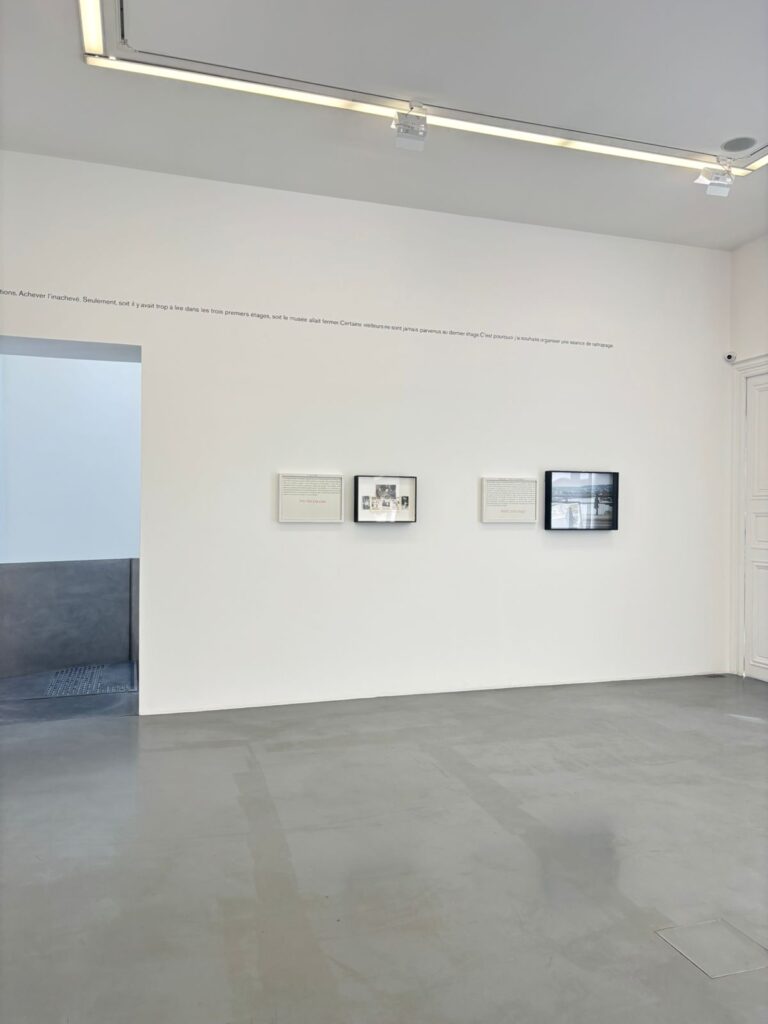
In the end, the exhibition affirmed what has always made Sophie Calle’s work endure: her ability to transform the personal into a shared experience, and to remind us that art, like life, often reveals itself most clearly not in what is completed, but in what remains open.
