
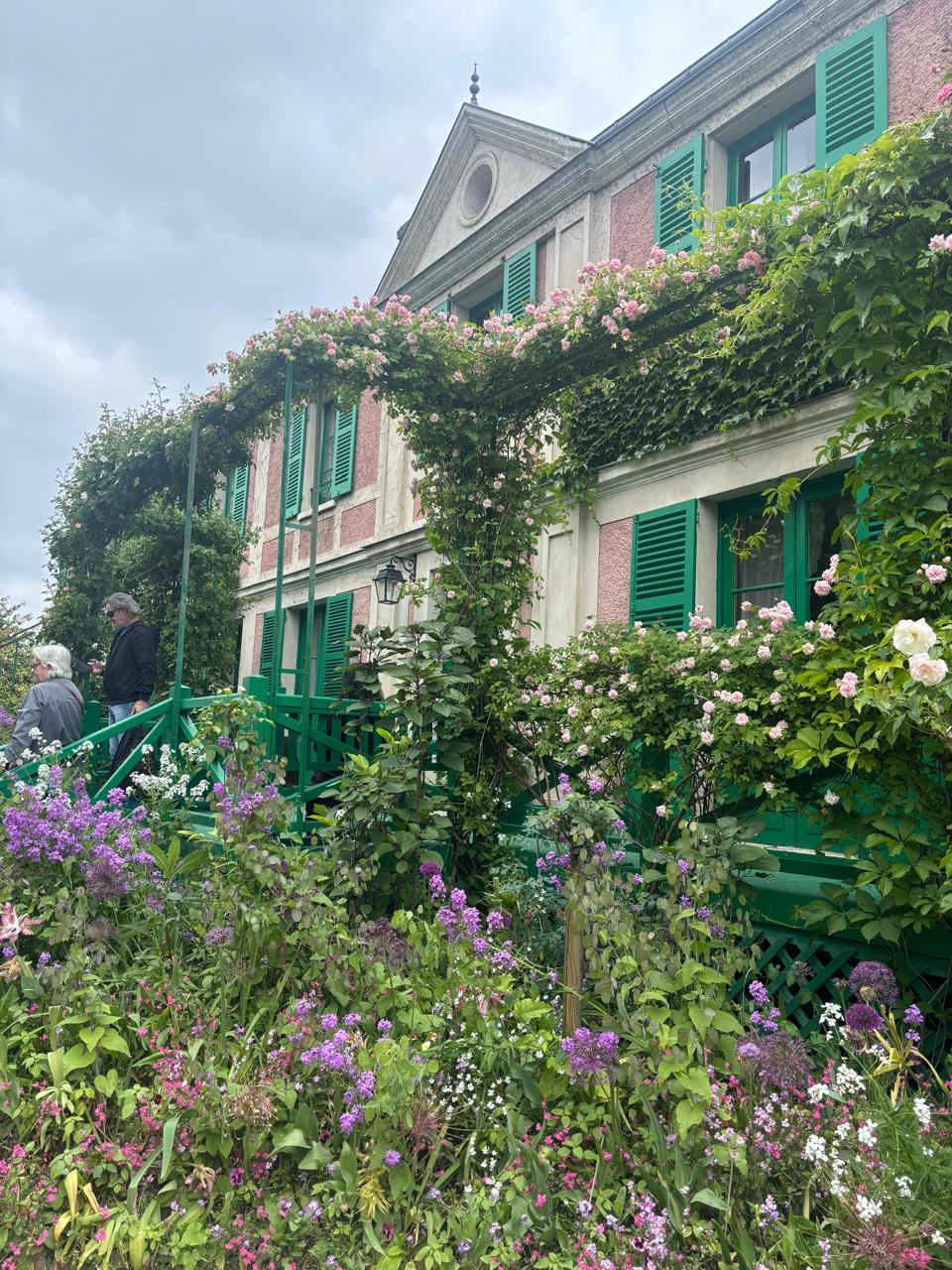
In the heart of Normandy, Claude Monet’s house in Giverny continues to pulse with color, creativity, and quiet energy. More than a historical monument, the home today acts as a bridge between the 19th century and now — where artists, photographers, and curious minds find themselves surrounded by the spirit of innovation.
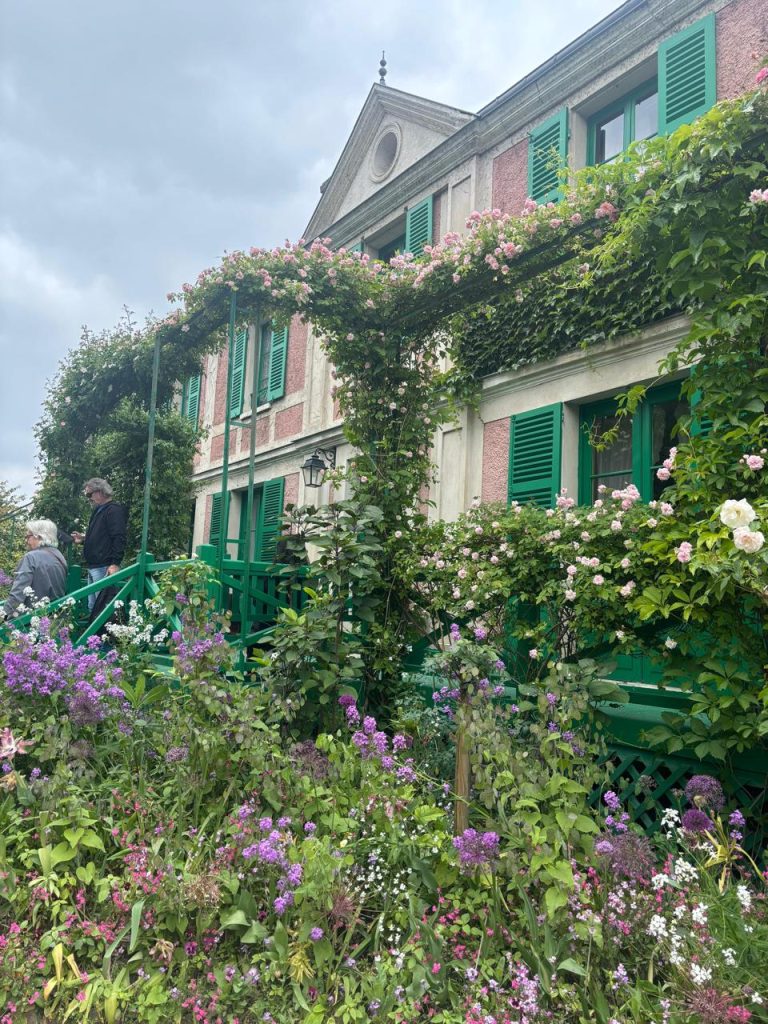
The pink façade with its green shutters feels surprisingly modern. Inside, the bright yellow dining room, the Japanese prints, and the sky-blue kitchen challenge the neutral palettes of today’s interiors. Monet was bold with color long before it became a trend — his choices feel like statements, not relics.
Outside, the garden is a masterpiece in motion. The water lilies bloom gently on the surface of the pond, mirrored perfectly in every visitor’s phone lens. The Japanese bridge — once painted quietly in oils — is now captured thousands of times a day in reels and digital filters, shared instantly across the world.
But even in this age of high-speed content, Giverny slows people down. The rhythm of the garden, the play of light and shadow, and the layered textures of flowers whisper reminders of presence and patience. It’s not about recreating Monet — it’s about seeing as he saw: with attention, awe, and intention.
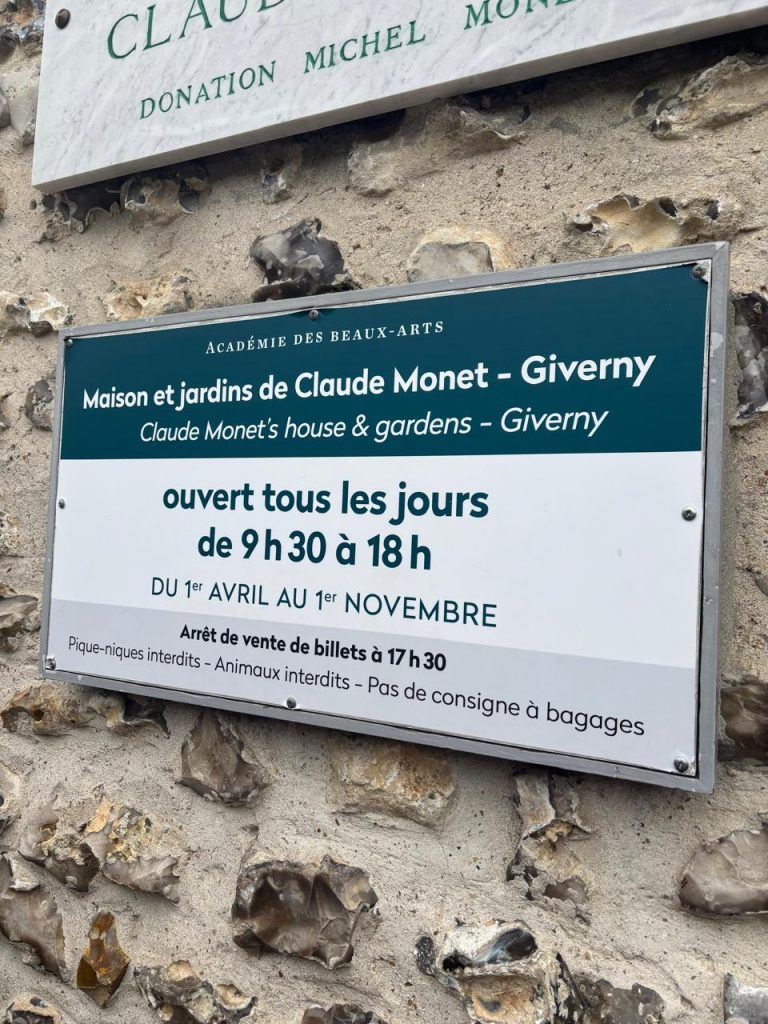
Today, artists bring tablets instead of easels, drones instead of sketchbooks. Yet the dialogue with the space remains the same. They come to study light, to chase color, to remember the value of observation.
La maison de Claude Monet isn’t frozen in time. It evolves with each visitor who looks a little closer, who feels the echo of creativity still alive in the walls, the garden, the pond. It’s not just where Monet lived — it’s where imagination continues to bloom.
