The Grand Palais as a stage for the world
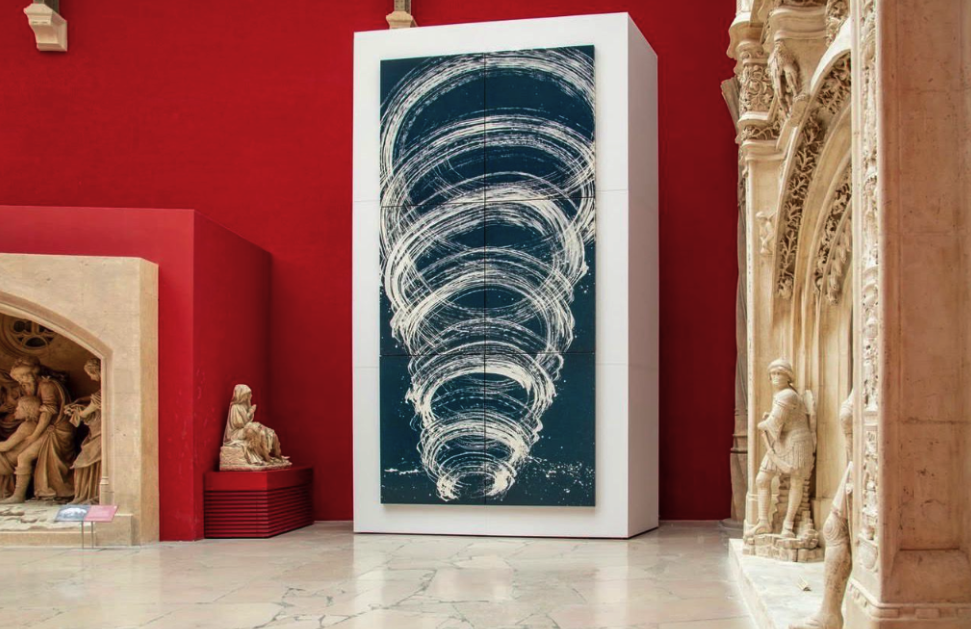
Paris in October has its own rhythm. The light softens, footsteps echo on stone pavements, and the city feels poised between memory and momentum. During Art Basel Paris 2025, that rhythm intensified, as the global art world converged beneath the luminous glass roof of the Grand Palais, transforming the city into a living, breathing exhibition.
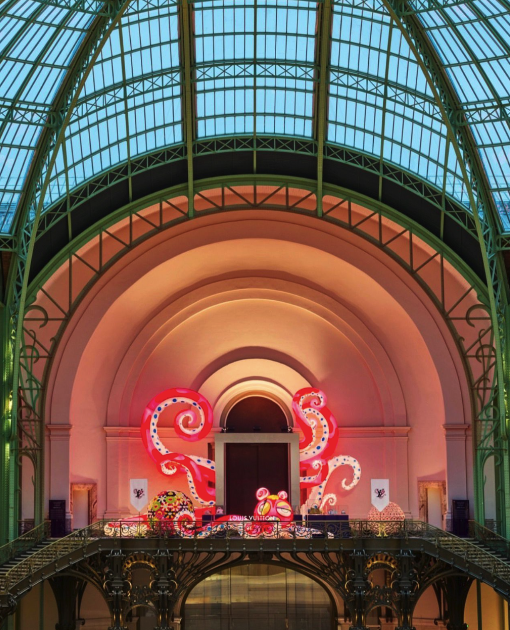
From the moment visitors stepped inside, Art Basel Paris felt less like a fair and more like a carefully choreographed encounter. The Grand Palais, newly restored, stood as both guardian of history and a stage for the contemporary. Sunlight filtered through steel and glass, illuminating works that spoke of urgency, fragility, rebellion, and hope themes that resonate deeply with our time.
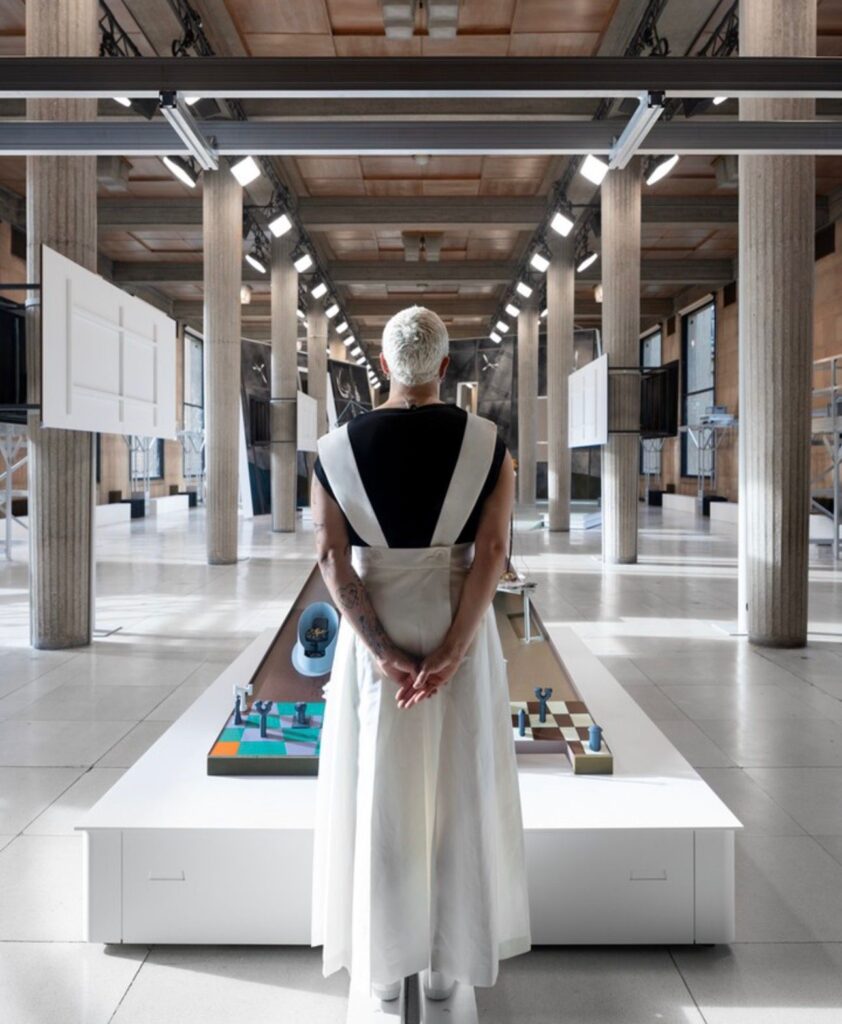
Galleries from across continents presented works that moved effortlessly between generations. International heavyweights such as Gagosian, Hauser & Wirth, David Zwirner, Pace Gallery, and White Cube brought museum-caliber presentations, reaffirming their role in shaping the global art conversation. They stood alongside influential names including Marian Goodman Gallery, Gladstone Gallery, Victoria Miro, Sadie Coles HQ, and Acquavella Galleries, creating a dynamic dialogue between established voices and contemporary experimentation.
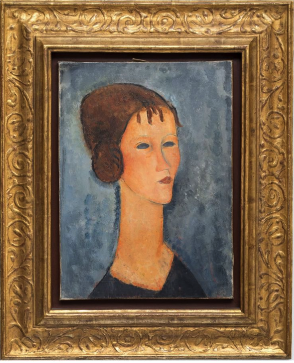
Within this landscape, established masters conversed silently with emerging artists, their works positioned not in competition, but in dialogue. Painting met sculpture, installation met performance, and traditional materials collided with digital exploration. The fair did not impose a single narrative; instead, it offered many allowing each visitor to construct a personal journey through art, time, and perspective.
Beyond the walls of the Grand Palais, Paris itself became part of the exhibition. Sculptures appeared along avenues, public installations interrupted daily routines, and conversations spilled into cafés, museums, and late-night dinners. Art Basel Paris extended its reach into the city’s cultural bloodstream, blurring the line between institution and street, elite and everyday.
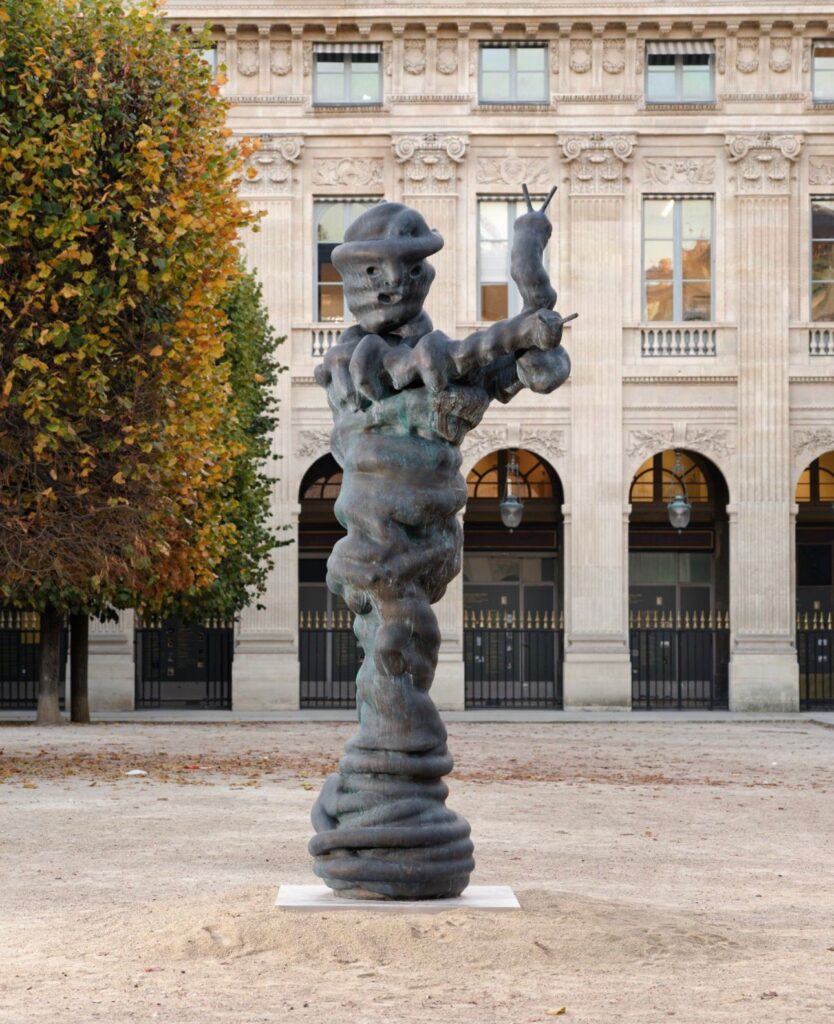
What distinguished the 2025 edition was its sense of confidence. There was no urgency to impress through excess. Instead, the fair leaned into thoughtful curation, precise storytelling, and emotional resonance. Many presentations felt intimate as if inviting viewers to pause, to listen, to reflect rather than rush.
Collectors moved quietly, curators lingered longer, and artists found themselves at the center of genuine exchanges. In an art world often driven by speed and spectacle, Art Basel Paris offered moments of stillness. It reminded us that art is not only about visibility, but about presence.
As evening fell, the Grand Palais glowed from within, a lantern of ideas in the Parisian night. Outside, the city continued; elegant, imperfect, eternal. Art Basel Paris 2025 did not seek to redefine Paris as an art capital; it simply reaffirmed what the city has always known: that art belongs not just in museums or fairs, but in the way a city lives, thinks, and dreams.
In the end, Art Basel Paris was not a destination it was a feeling. One that lingered long after the fair closed, echoing through studios, streets, and stories yet to be told.
Photo courtesy: Art Basel Paris 2025
