
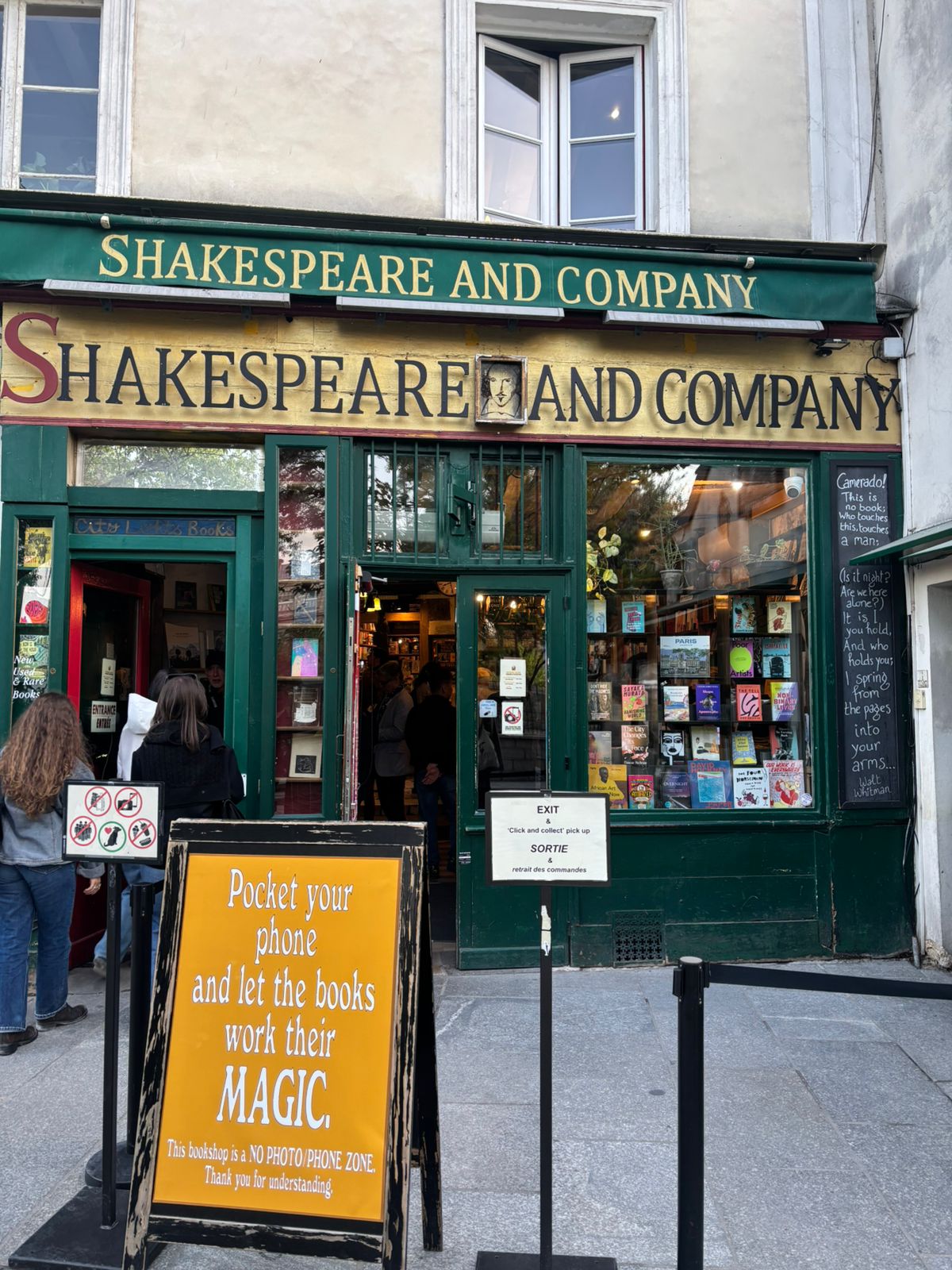
Where Books Become a Way of Life: Shakespeare and Company, Paris
On the Left Bank of Paris, just across the Seine from Notre-Dame, stands a bookshop that feels less like a retail space and more like a living manuscript. Shakespeare and Company is not simply a place to buy books; it is a refuge for readers, writers, and wanderers who believe that literature still has the power to shape a life.
Founded in 1951 by George Whitman, the shop inherited its name and spirit from the legendary bookstore opened by Sylvia Beach in 1919. While Beach’s original Shakespeare and Company became a vital meeting point for modernist writers James Joyce, Ernest Hemingway, Gertrude Stein Whitman’s incarnation extended that legacy into a new era, transforming the bookshop into a cultural commons where books are meant to be read, shared, and lived with.
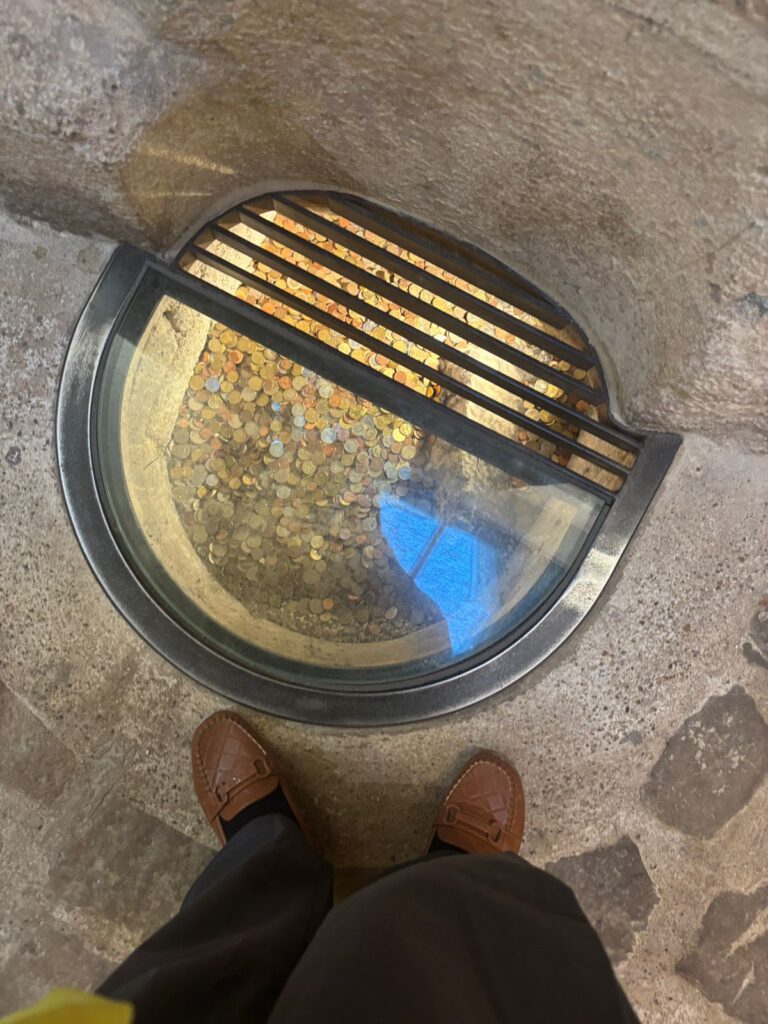
The narrow rooms of Shakespeare and Company seem to defy architectural logic. Stairs lead nowhere in particular, shelves overflow, and reading nooks appear unexpectedly between stacks of books. Quotes are scrawled across walls and staircases, reminding visitors to “be not inhospitable to strangers, lest they be angels in disguise.” It is a place designed for lingering, not browsing a deliberate resistance to speed and efficiency.
At the heart of the shop is Whitman’s enduring philosophy: books as a form of hospitality. For decades, aspiring writers known as “Tumbleweeds” were invited to sleep among the shelves in exchange for helping in the shop, reading a book a day, and contributing to the ongoing story of the space. This tradition, both romantic and demanding, turned Shakespeare and Company into a temporary home for thousands of writers from around the world.
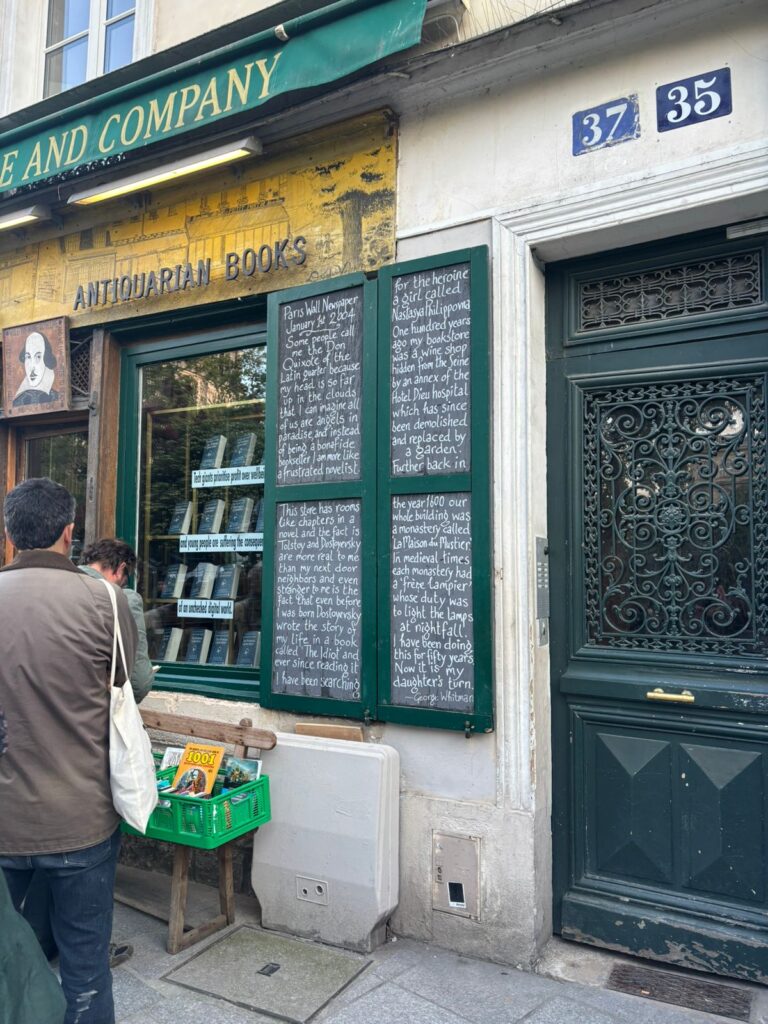
Beyond its role as a bookshop, Shakespeare and Company has long functioned as a literary salon. Readings, book launches, and conversations continue to animate the space, ensuring that literature remains a communal experience rather than a solitary pursuit. In a city saturated with cultural institutions, the shop retains an intimacy that feels increasingly rare.
Today, under the stewardship of Sylvia Whitman, the founder’s daughter, Shakespeare and Company remains faithful to its founding ideals while adapting to contemporary realities. The café next door, the carefully curated selection of English-language books, and the ongoing literary programming extend the shop’s reach without diluting its character.

In an age defined by algorithms and acceleration, Shakespeare and Company endures as an argument for slowness, curiosity, and the tactile pleasure of books. It reminds us that reading is not merely consumption, but conversation-across time, language, and place. To step inside is to enter a space where literature is not archived, but alive, waiting to be discovered anew.