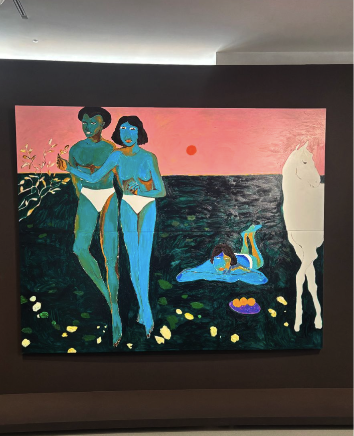
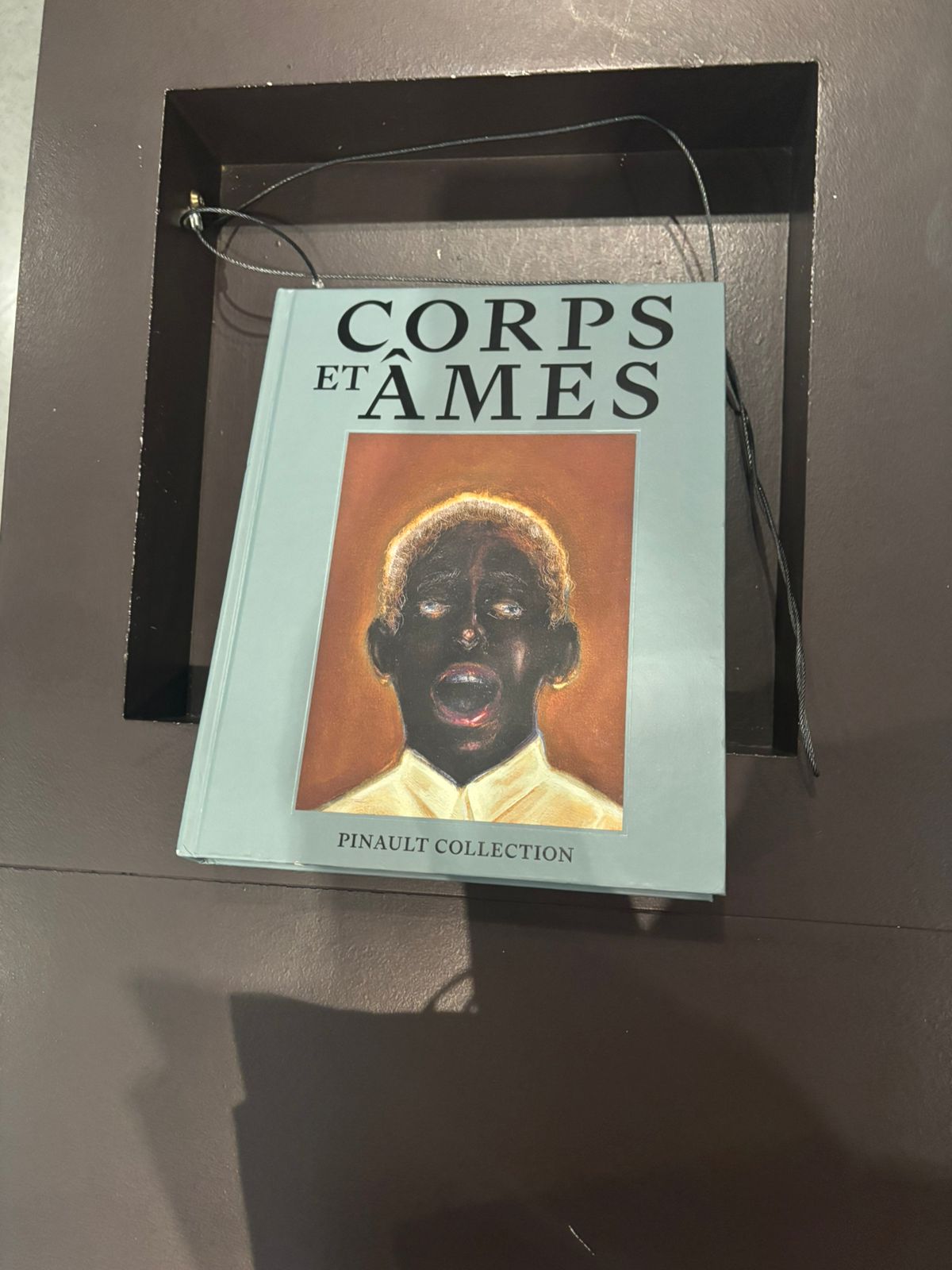
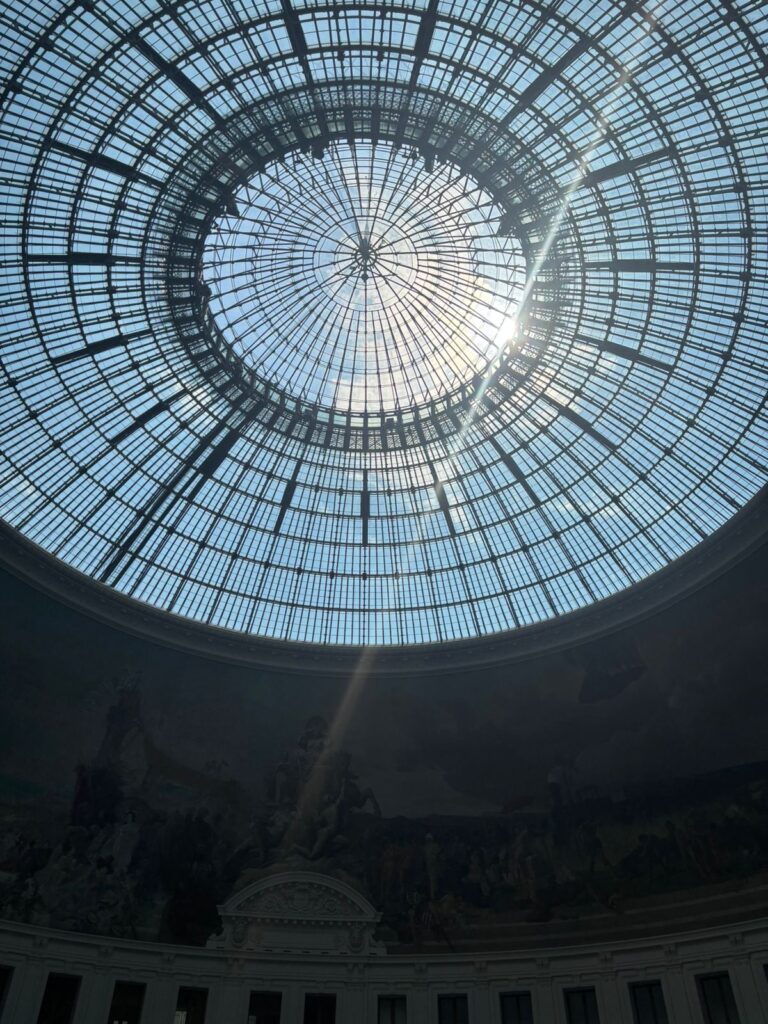
At the Bourse de Commerce – Pinault Collection, Corps et Âmes unfolded as a meditation on the human body not merely as form, but as memory, presence, and lived experience. Installed within the monumental rotunda of Tadao Ando’s architectural intervention, the exhibition invited visitors to consider the body as a vessel, one that carries history, emotion, belief, and the weight of collective consciousness.
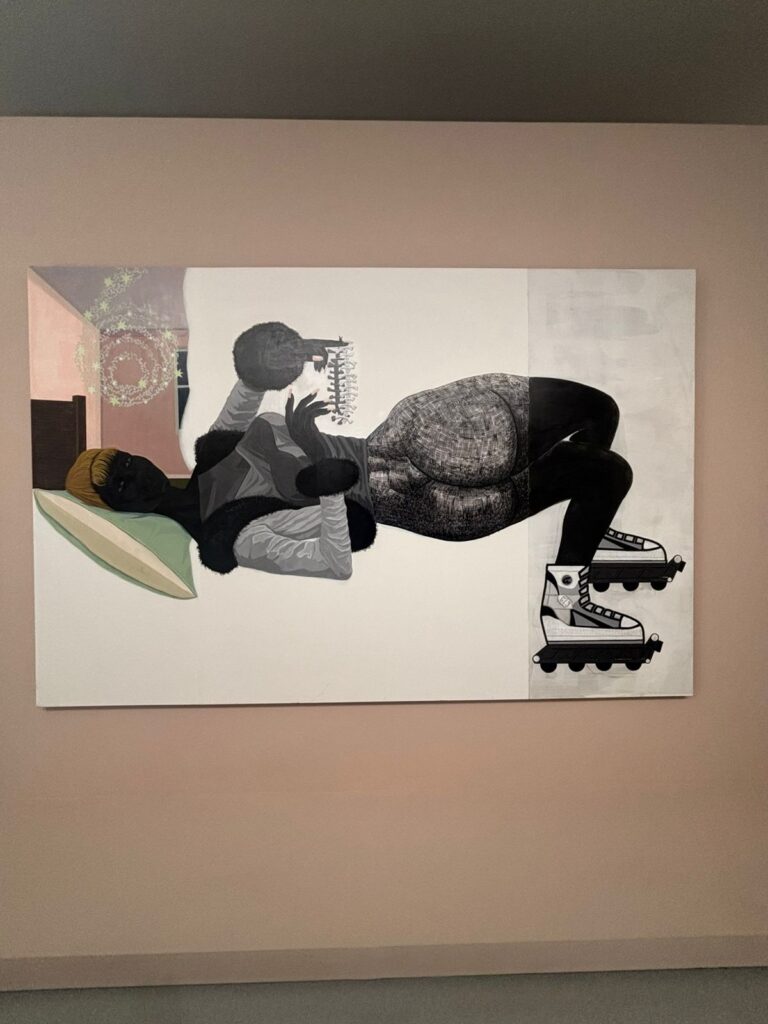
Rather than proposing a singular narrative, Corps et Âmes moved through intensities. Painting, sculpture, photography, and video coexisted in a choreography of gazes and gestures, where the body appeared fragmented, exalted, vulnerable, and resistant. The exhibition did not ask how the body should look, but what it holds and what it has endured.
The curatorial approach privileged resonance over chronology. Historical figures encountered contemporary voices in quiet confrontation, allowing different eras to speak to one another through posture, flesh, and absence. Some bodies asserted their physicality with force and monumentality; others receded into suggestion, shadow, or trace. Together, they formed a landscape of embodiment shaped by social realities, spiritual inquiry, and political tension.
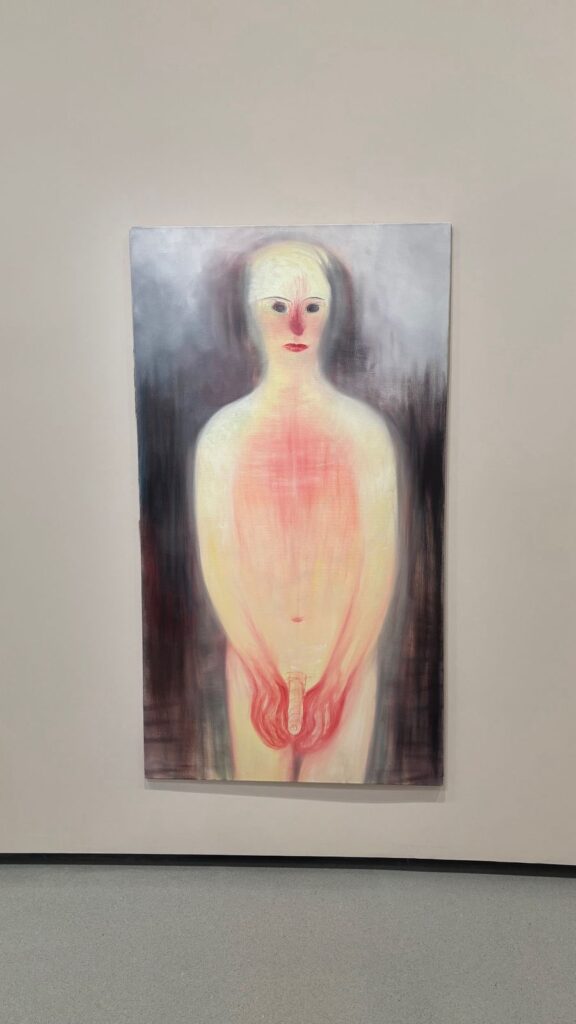
Within the circular space of the Bourse de Commerce, the exhibition felt almost rhythmic. Works rose and fell in emotional register, echoing the architecture’s continuous curve. This spatial experience reinforced the exhibition’s central proposition: that the body is never static. It shifts with time, context, and gaze constantly rewritten by the world it inhabits.
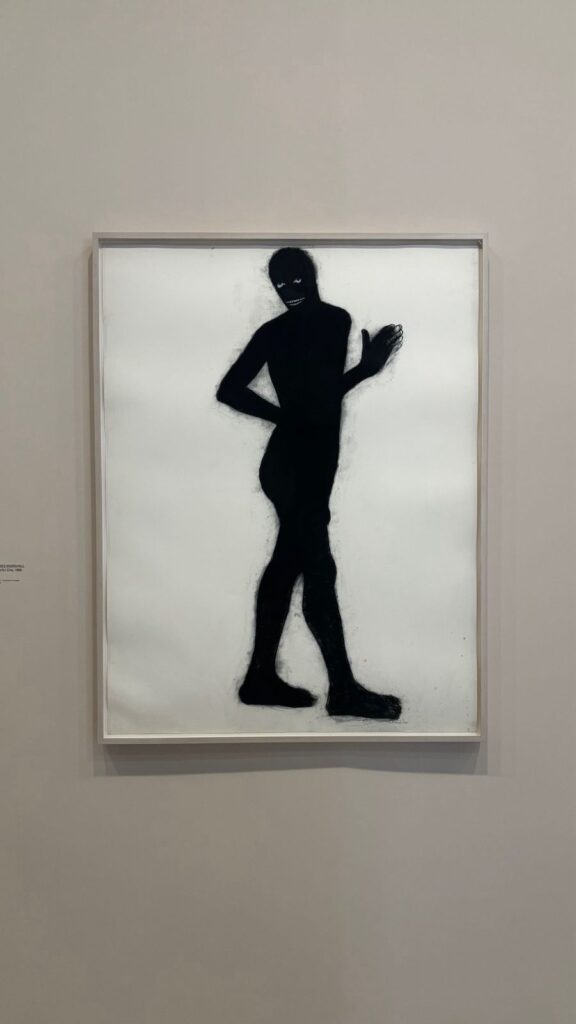
What distinguished Corps et Âmes was its insistence on the inseparability of body and soul. The exhibition refused to reduce the body to surface or symbol alone. Instead, it suggested that the body thinks, remembers, and resists; that it is both archive and oracle. In many works, the physical form became a site of tension between intimacy and exposure, dignity and vulnerability.
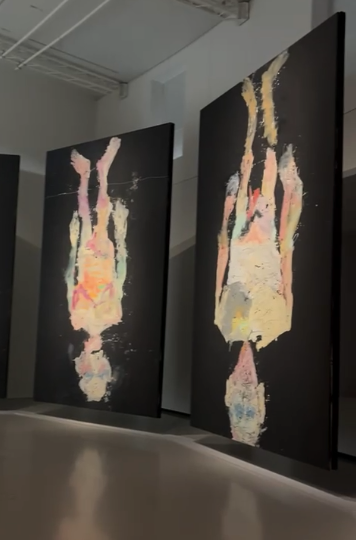
More than a survey of figurative practices, Corps et Âmes functioned as a collective reflection on what it means to inhabit a body today. It acknowledged the body as a political terrain, a spiritual threshold, and a personal frontier one shaped by history yet continuously redefined through presence.
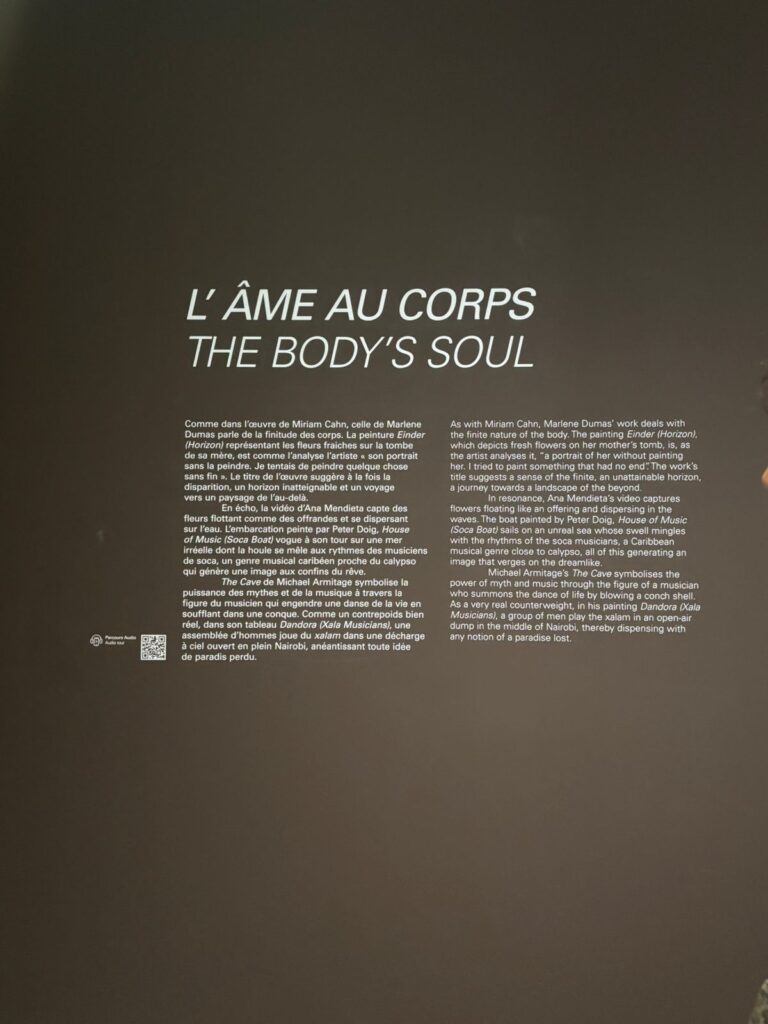
In the end, the exhibition lingered not as an image, but as a sensation. It left behind the sense that to look at a body is also to confront a life, and that within the contours of flesh reside stories that cannot be fully spoken only felt.