Inside La Maison de Victor Hugo: Where Words Became Worlds
At the heart of Place des Vosges, behind a discreet façade of red brick and stone, lies an apartment where literature once breathed daily life. La Maison de Victor Hugo is not merely a preserved residence; it is a living portrait of a mind that shaped French thought, language, and imagination.

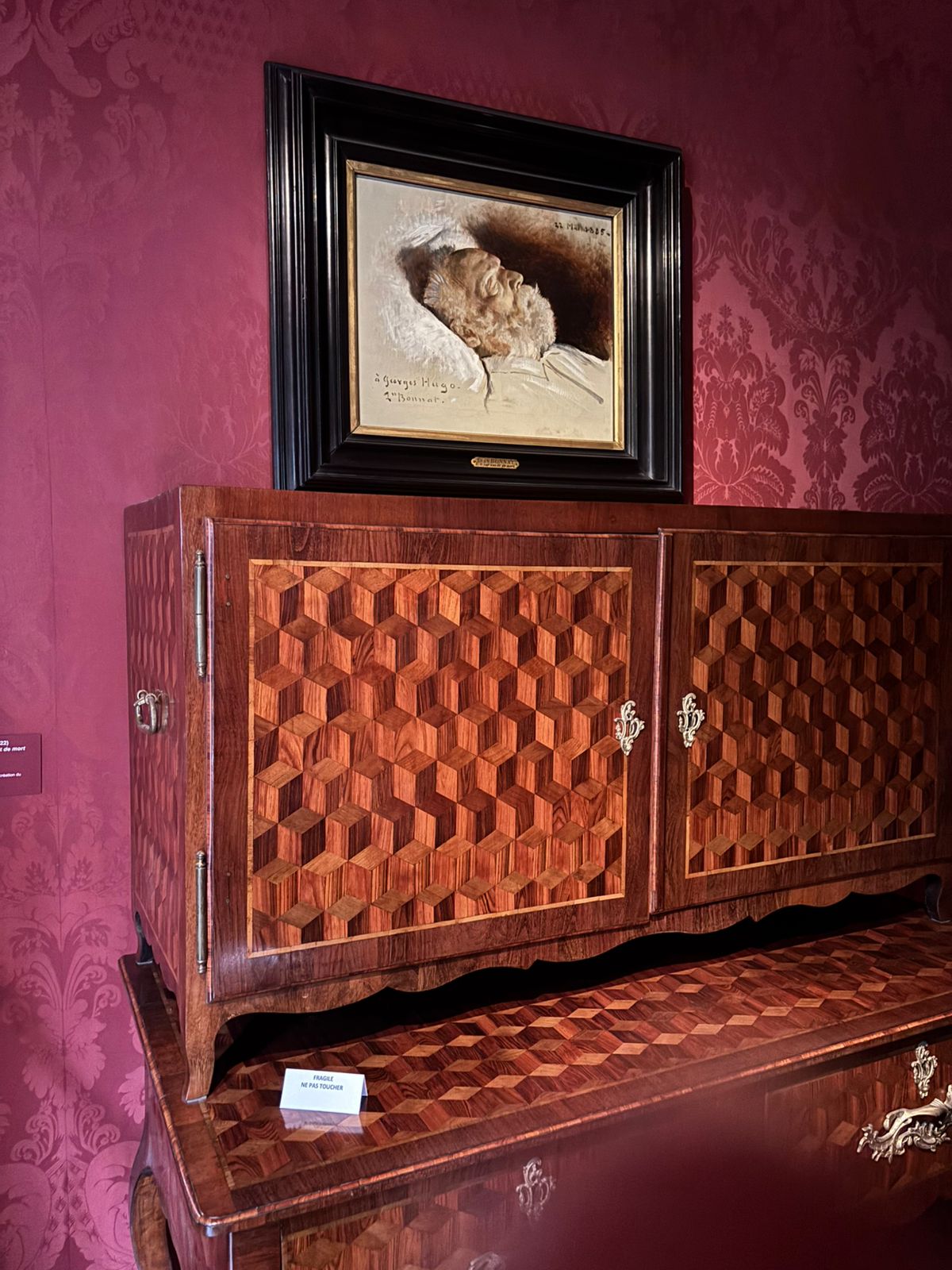
Victor Hugo lived here from 1832 to 1848, a period marked by extraordinary creative intensity. Within these rooms, he wrote Ruy Blas, Les Chants du Crépuscule, and portions of Les Misérables—works that would later define Romanticism and give voice to social justice, exile, and the human condition. Today, the apartment unfolds like a narrative itself, each room a chapter, each object a punctuation mark in the story of his life.

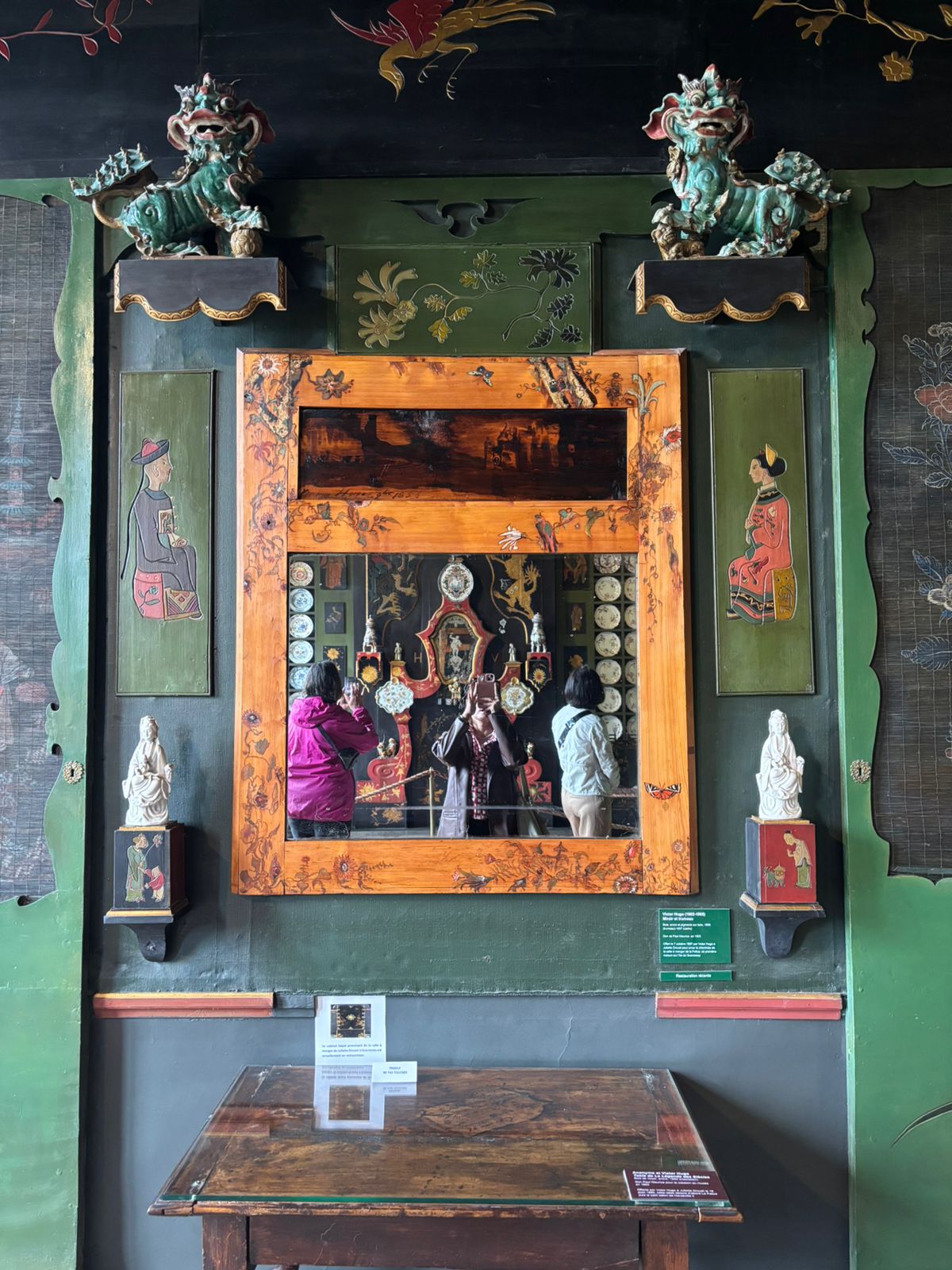
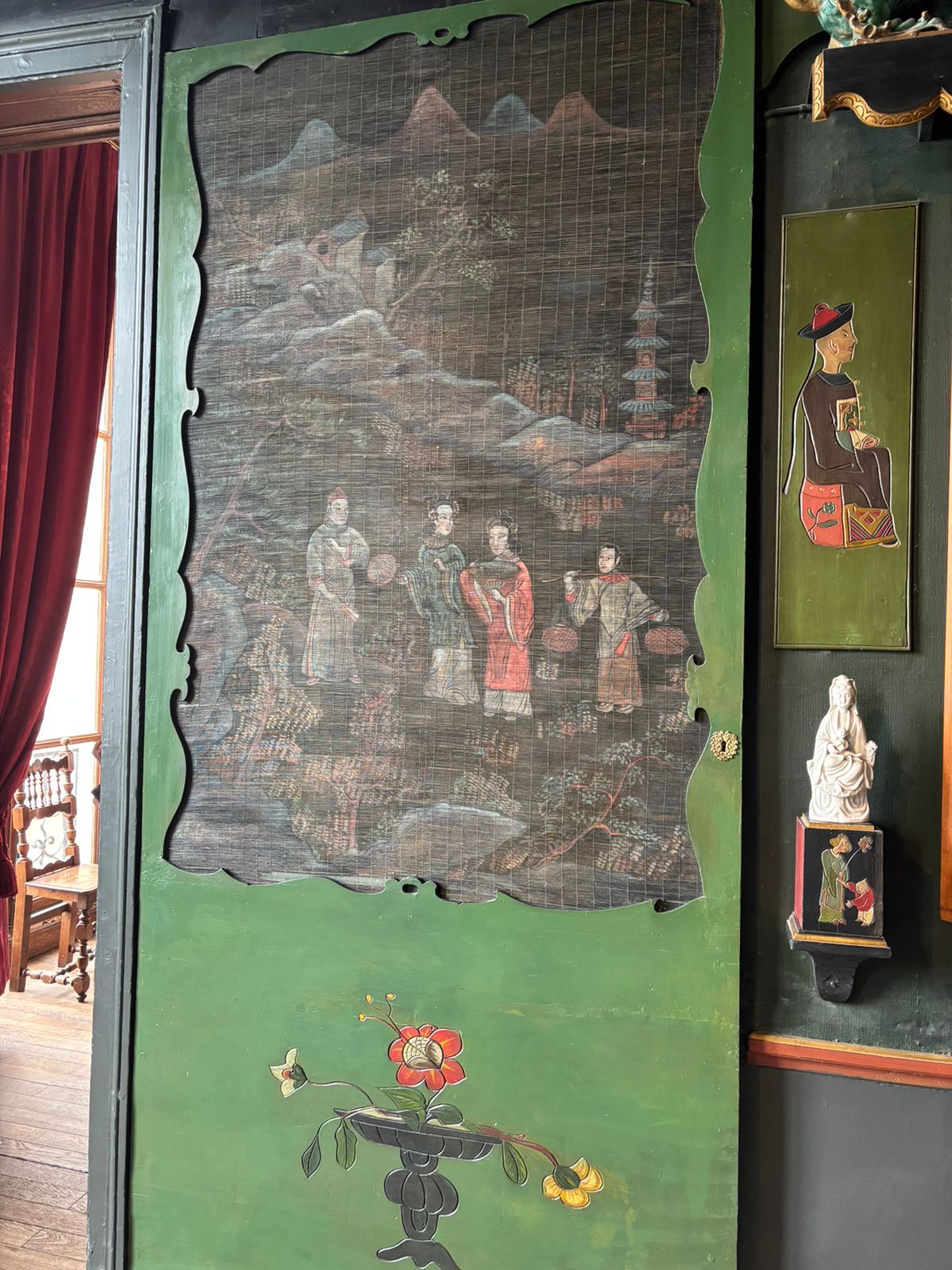
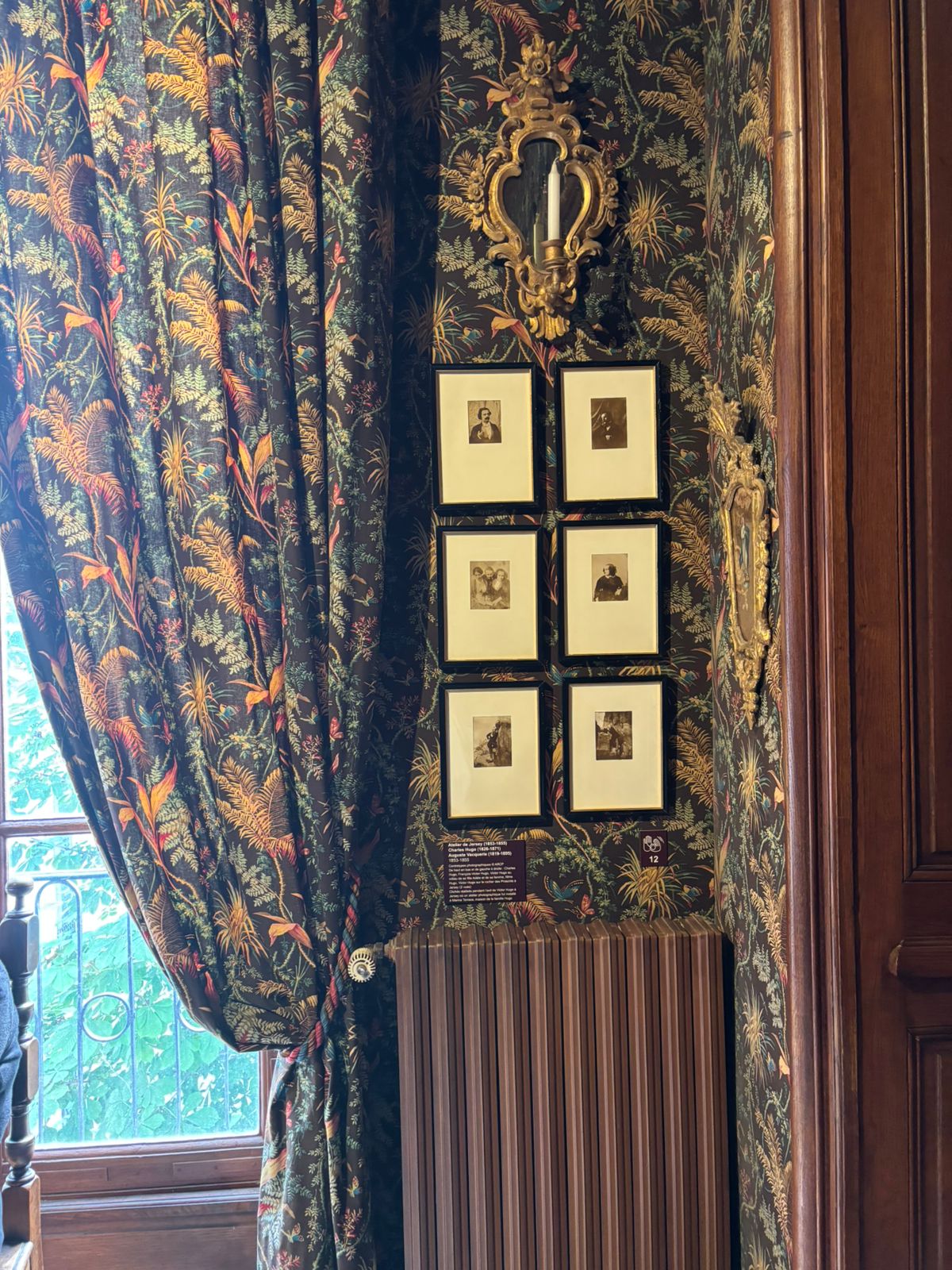
The interiors are intimate yet theatrical. Rich textiles, dark woods, and ornate details reflect Hugo’s fascination with history, symbolism, and the dramatic. His bedroom feels contemplative, while the Chinese-inspired salon reveals his curiosity for distant cultures and decorative arts—long before global influence became a cultural norm. Nothing here feels accidental; even the smallest furnishings echo a writer who believed that beauty carried meaning.
Beyond its aesthetics, the house offers a deeper resonance. It reminds visitors that Hugo was not only a literary figure but also a political voice—an advocate for freedom, an opponent of the death penalty, and a man unafraid of exile in defense of his ideals. Standing by his writing desk, one senses how literature once served as both refuge and resistance.
La Maison de Victor Hugo invites us to slow down, to listen closely. In an age of speed and surface, it offers a return to depth—to the power of words crafted patiently, and to ideas that endure. This is not simply a museum; it is a space where thought, art, and conviction converge, quietly reminding us that great stories are born in lived rooms, shaped by time, belief, and imagination.