
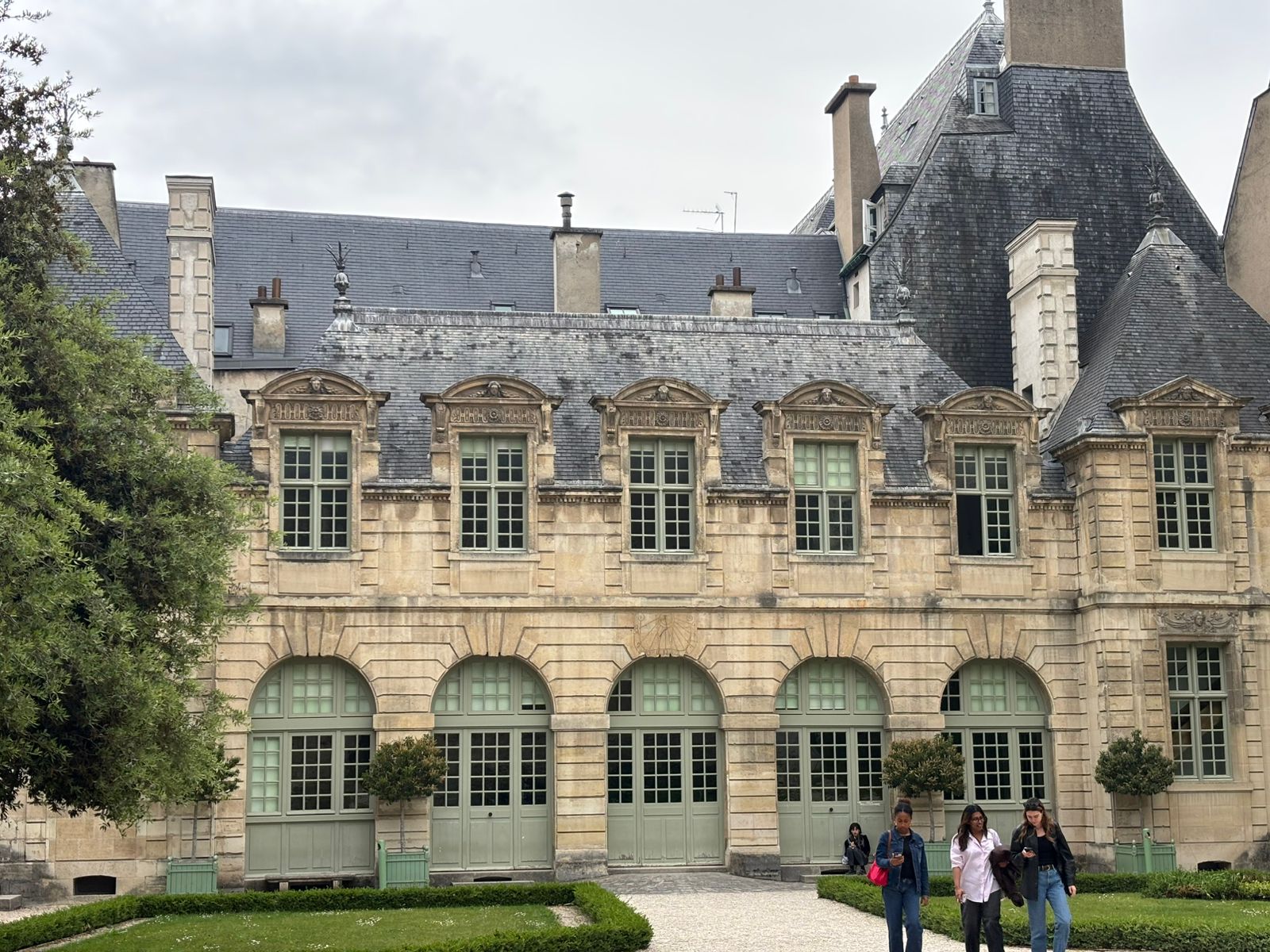
Tucked quietly behind the stone façades of the Marais, Hôtel de Sully reveals itself not with grandeur, but with grace. Built in the early 17th century for Maximilien de Béthune, Duke of Sully, the former private mansion stands today as one of Paris’s most refined examples of classical architecture; elegant, restrained, and deeply human in scale.
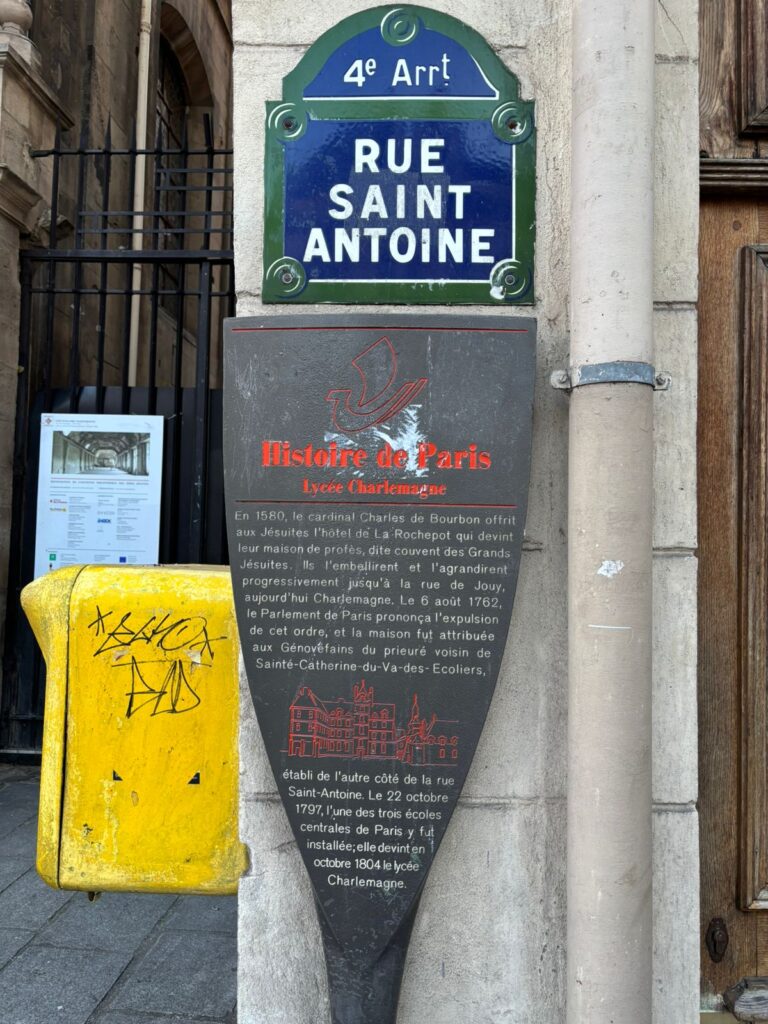
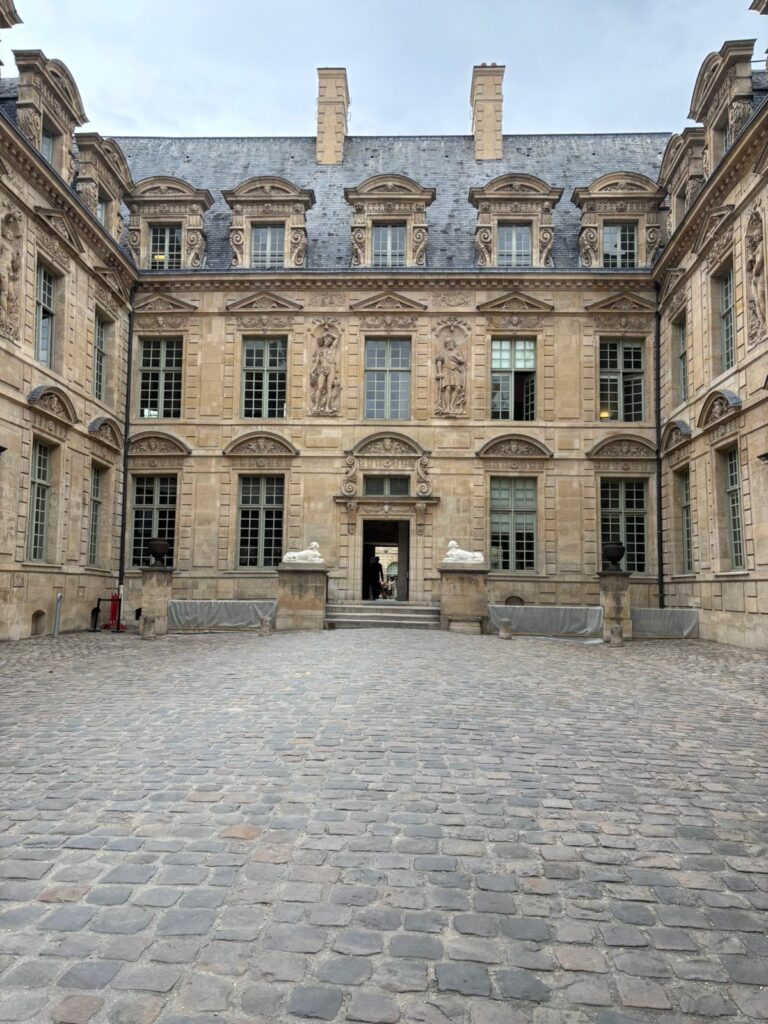
The approach itself feels ceremonial. Entering through a discreet portal on Rue Saint-Antoine, visitors pass into a cobbled courtyard framed by sculpted stone, classical columns, and ornamental reliefs. From here, a rare visual axis opens toward the Place des Vosges, linking private aristocratic life with one of Paris’s most celebrated public spaces.
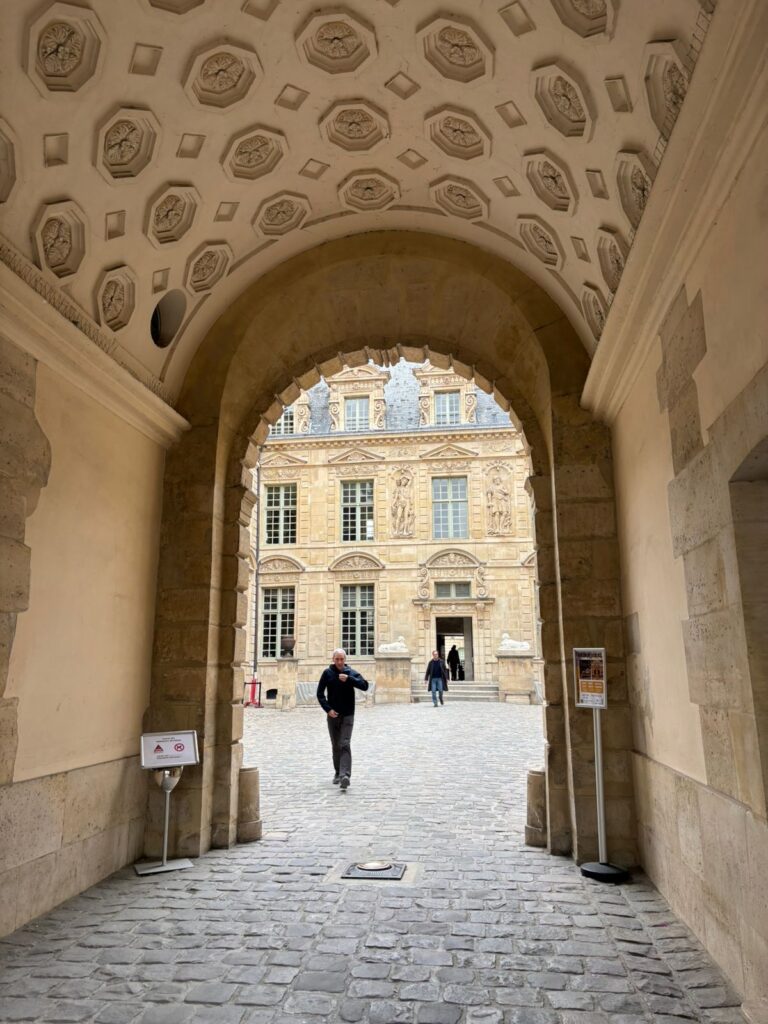
Architecturally, Hôtel de Sully reflects the transition from Renaissance symmetry to early French classicism. Its façades are adorned with sculptural details garlands, pilasters, and allegorical figures that speak of power and prestige, yet remain delicately proportioned. Inside, vaulted galleries and intimate salons preserve the atmosphere of a lived-in residence rather than a monumental palace.
Today, Hôtel de Sully serves as the historic headquarters of the Centre des Monuments Nationaux, positioning it as both guardian and participant in France’s cultural memory. Its gardens; quiet, formal, and contemplative offer a pause from the city’s rhythm, echoing the mansion’s original function as a space of retreat and reflection.
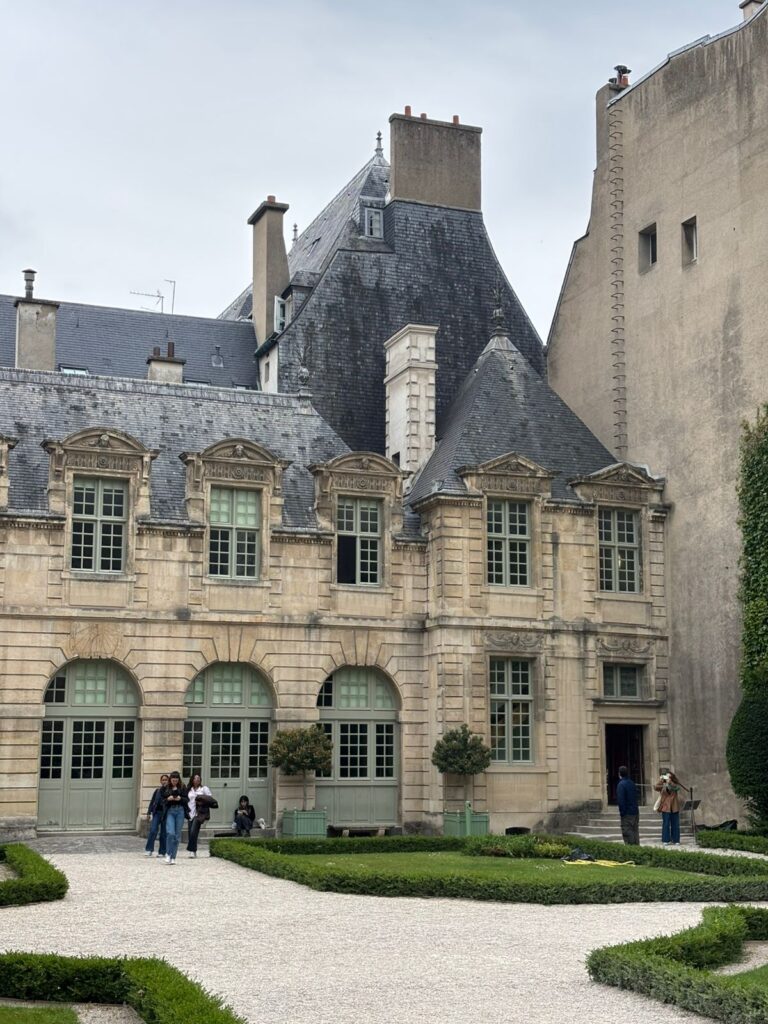
Unlike Paris’s more theatrical landmarks, Hôtel de Sully rewards slow looking. It is a place where history unfolds in textures: worn stone, filtered light, and the gentle dialogue between architecture and landscape. Here, heritage is not staged, it is inhabited.
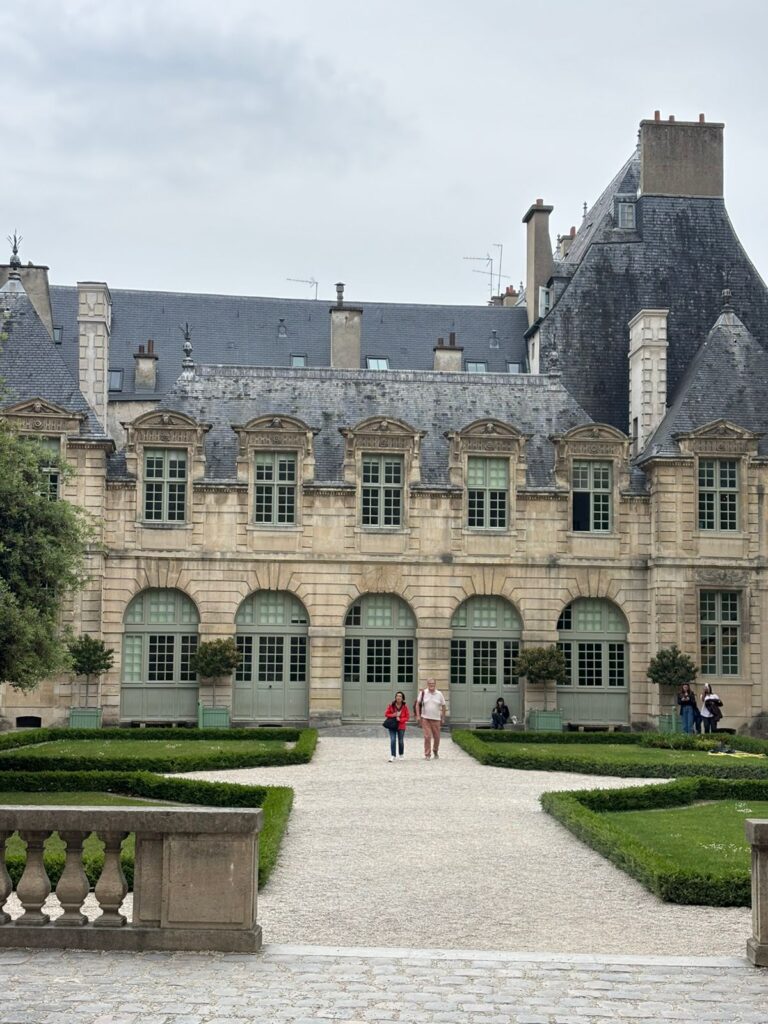
In a city defined by spectacle, Hôtel de Sully endures as a reminder that true elegance lies in proportion, discretion, and time patiently layered.

Leave a Reply