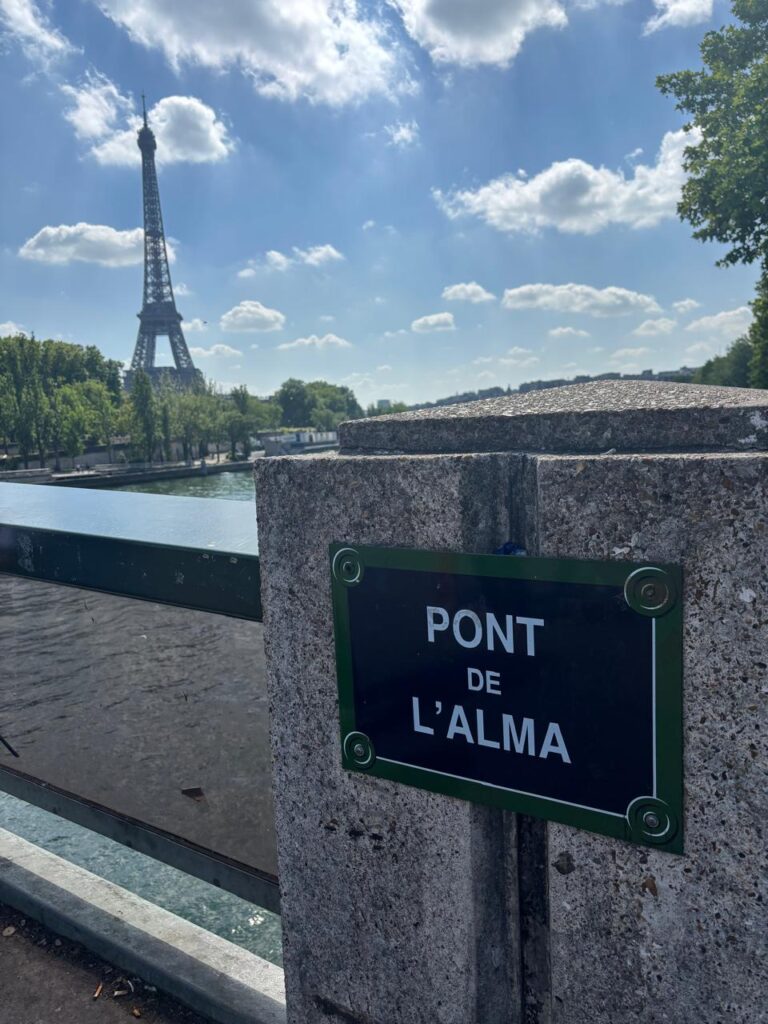
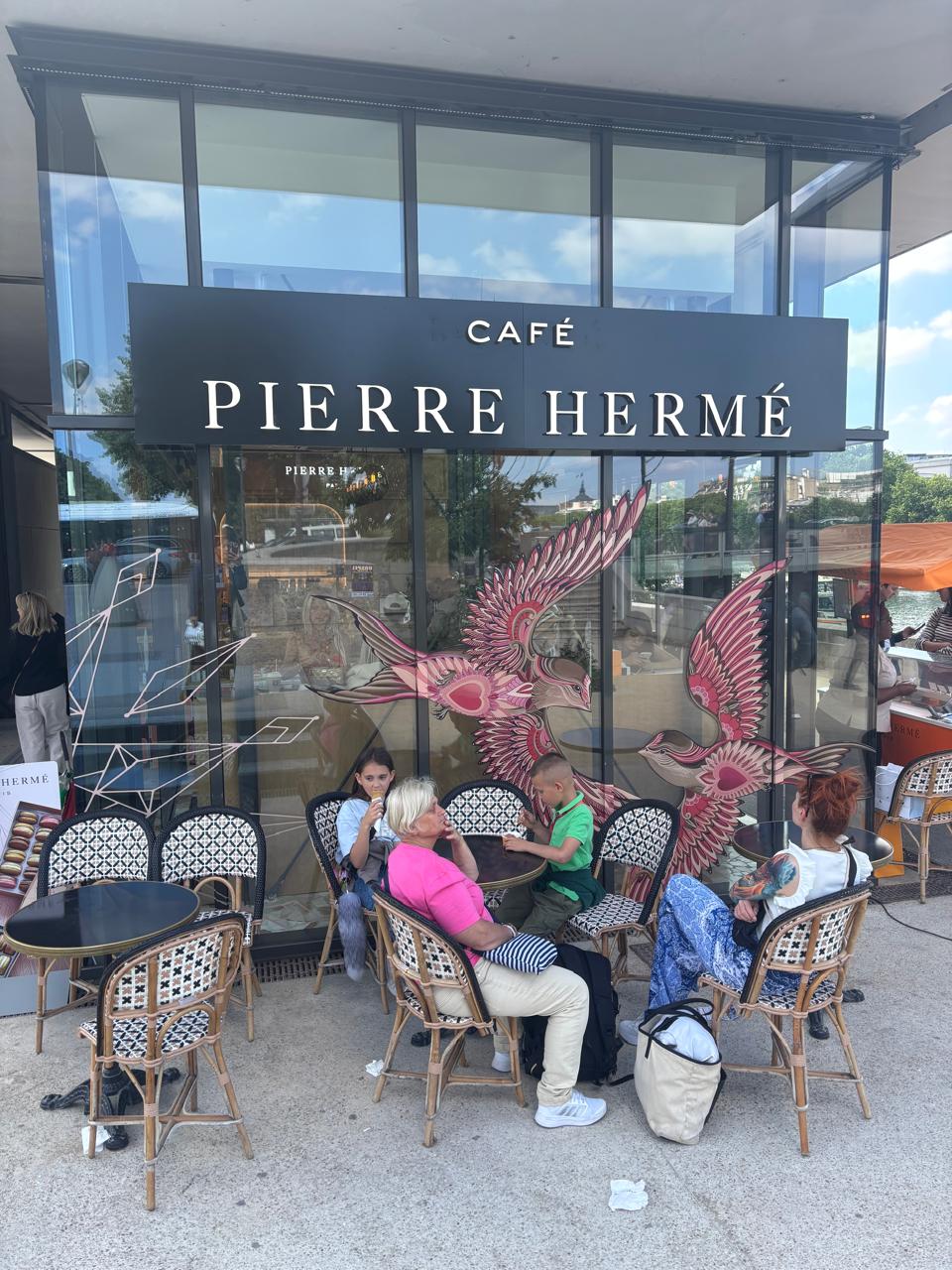
Along the gentle curves of the Seine, where Paris reveals its most timeless face, Pierre Hermé finds a natural setting for his philosophy of pâtisserie. To encounter a Pierre Hermé Paris boutique near the river is to experience more than dessert it is to step into a dialogue between craft, place, and pleasure.
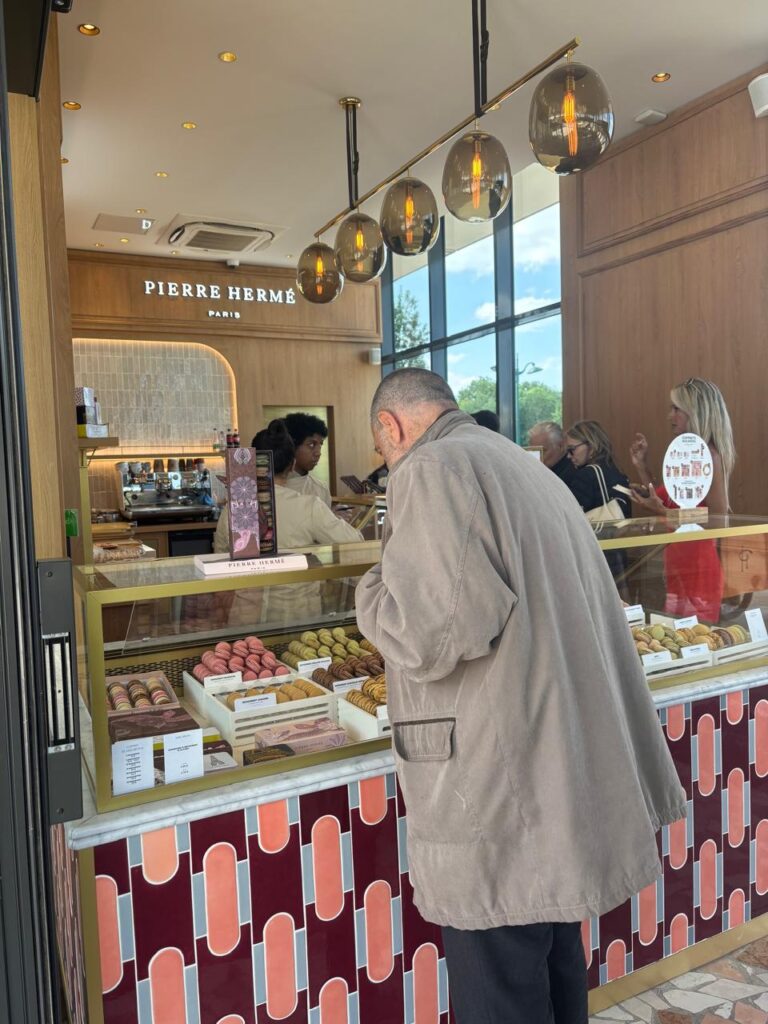
Pierre Hermé is often called “the Picasso of Pastry,” but his creations are less about provocation than precision. Each macaron, each tart, each layered confection reflects a mastery built on balance: sweetness restrained, textures contrasted, flavors articulated with clarity. Near the Seine, this refinement feels especially at home. The river, with its slow rhythm and reflective surface, mirrors Hermé’s approach measured, thoughtful, and quietly luxurious.
Signature creations such as the iconic Ispahan rose, raspberry, and lychee feel almost architectural in their construction, yet emotionally evocative. They evoke gardens, seasons, and fleeting moments, much like Paris itself. Enjoyed near the Seine, these pastries take on another dimension: a pause between walks, museums, and conversations, where time briefly softens.
What distinguishes Pierre Hermé Paris is its refusal to rely on nostalgia alone. While deeply rooted in French tradition, the maison consistently pushes boundaries through unexpected flavor pairings, minimalist aesthetics, and a modern understanding of indulgence. This tension between heritage and innovation resonates strongly in a city like Paris, where history and modernity coexist along the same riverbanks.
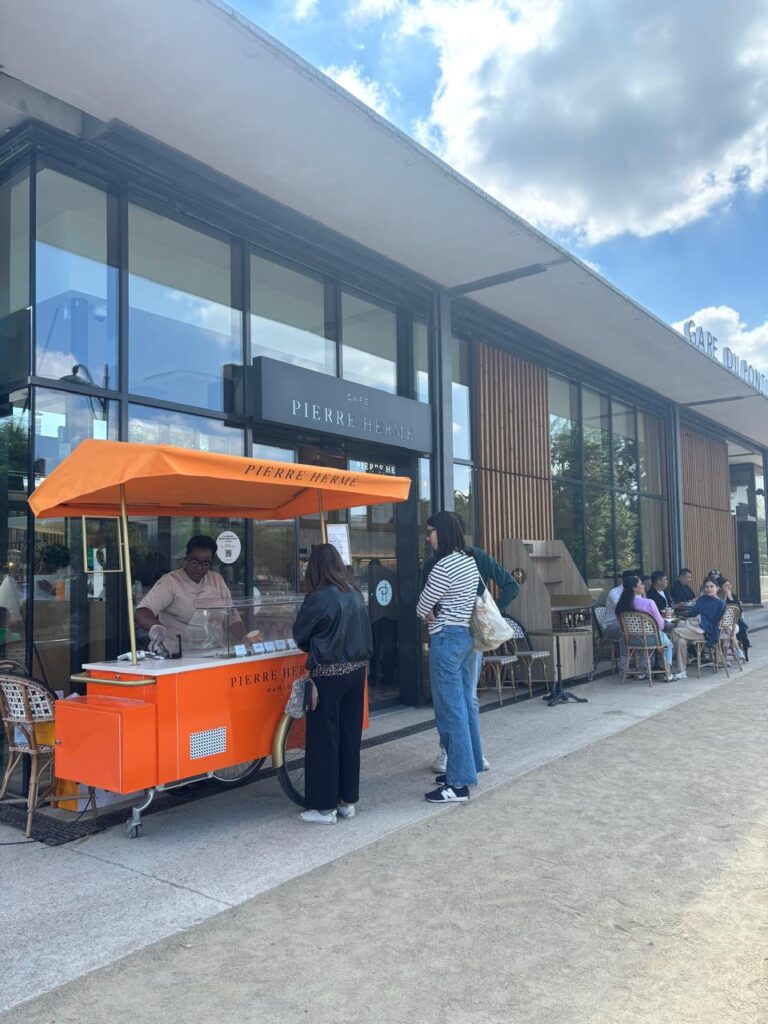
The boutique experience is deliberately restrained—clean lines, muted tones, and an emphasis on the product itself. Nothing distracts from the pastries, just as nothing along the Seine truly distracts from the flow of the river. Both invite contemplation rather than excess.
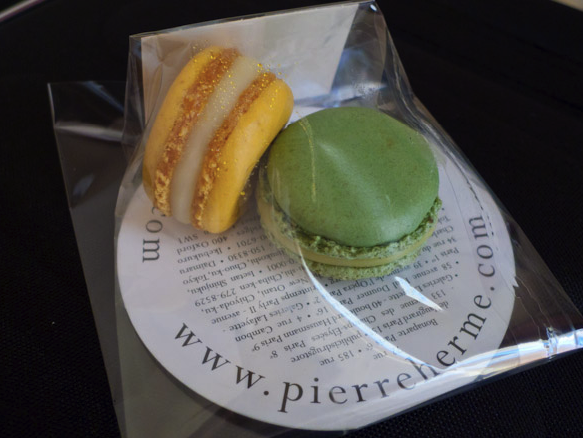
Pierre Hermé by the Seine is not simply a destination for sweets; it is a moment of Parisian living. It reminds us that luxury can be quiet, that excellence lies in detail, and that the most memorable experiences often unfold slowly—one bite, one step, one glance at the water at a time.