
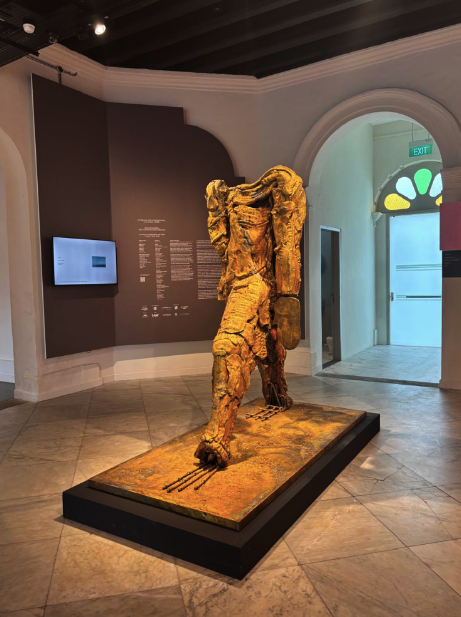
At The Private Museum, Singapore, Of Dreams and Contemplation: I Am All but a Story presented an intimate vision of art as lifestyle—measured, reflective, and deeply personal. Drawn from the private collection of Richard Koh, the exhibition revealed collecting not as accumulation, but as a cultivated way of seeing, shaped by time, proximity, and emotional discernment.

Set within the refined domestic scale of Osborne House, the exhibition felt closer to a lived interior than a formal gallery. Works were encountered as one might encounter objects in a private home—unannounced, quietly confident, and layered with memory. The setting encouraged a slower pace, allowing each piece to register not as spectacle, but as presence.
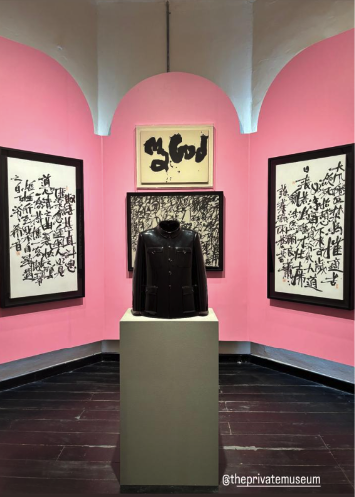
Rather than imposing a rigid curatorial narrative, the exhibition unfolded through sensibility. The selection reflected an instinctive coherence—an alignment of moods, gestures, and material intelligence—suggesting a collector guided by intuition as much as knowledge. Artworks appeared not to compete for attention, but to coexist, creating an atmosphere of thoughtful restraint.

What distinguished I Am All but a Story was its emphasis on intimacy over display. The collection spoke to long-term relationships with artists and works, privileging continuity over novelty. In an era defined by visibility and immediacy, the exhibition offered an alternative proposition: that taste matures quietly, and that the most enduring expressions of style are those formed through patience.
The exhibition also subtly reframed the role of private collecting within contemporary culture. By opening a personal collection to public view, The Private Museum proposed a model of cultural generosity—one where refinement is shared rather than guarded, and where art becomes a bridge between personal experience and collective appreciation.
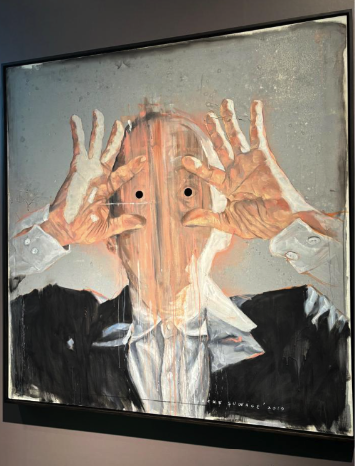
Ultimately, Of Dreams and Contemplation articulated a vision of modern connoisseurship that felt both grounded and aspirational. It suggested that art, when lived with rather than merely acquired, becomes part of one’s inner architecture—a reflection of values, sensibilities, and the quiet luxury of thoughtful choice.
In this exhibition, art was not presented as an object of desire, but as an extension of how one chooses to live.
